Ever wondered where the NCAA Football Championship game is actually played each year? This highly anticipated event moves around, offering different iconic cities the chance to host college football's biggest night. The selection process involves a competitive bidding system, with cities showcasing their stadiums, infrastructure, and ability to provide an unforgettable experience for teams and fans alike. Understanding the rotation of venues, the criteria for selection, and the immense economic impact on host cities provides fascinating insight into this premier sporting spectacle. Discover the factors that influence where this national championship lands and what makes each location unique for the College Football Playoff title clash. It's more than just a game; it's a massive logistical and celebratory undertaking that captivates sports enthusiasts across the nation.
Hey there, fellow football fanatic! Ever find yourself scrambling to figure out where the biggest game of the college season is actually going down? You're definitely not alone! It's one of those things that changes every year, making it a bit tricky to keep track. But don't sweat it, because I've put together the ultimate living FAQ about the NCAA Football Championship game locations, updated for the latest insights and trends.
This isn't just a dry list of facts; we're going to dive into why the game moves around, how cities get chosen, and even some tips if you ever dream of attending. We'll cover everything from the basic 'where and when' to the deeper 'why and how,' making sure you're fully clued in. So grab a coffee, get comfy, and let's unravel the mystery of the College Football Playoff National Championship's ever-changing home. By the time we're done, you'll be an expert!
Most Asked Questions about Where is NCAA Football Championship Game
Where is the 2025 NCAA Football Championship game scheduled to be held?
The 2025 College Football Playoff National Championship is set for Monday, January 20, 2025, at Mercedes-Benz Stadium in Atlanta, Georgia. This state-of-the-art venue previously hosted the CFP Championship in 2018. Atlanta is renowned for its vibrant downtown, extensive hospitality options, and a stadium perfect for major sporting events, making it an excellent choice for this premier college football showdown.
How are host cities chosen for the NCAA Football Championship game?
Host cities are chosen through a competitive bidding process managed by the College Football Playoff Management Committee. Cities submit comprehensive proposals detailing stadium facilities, hotel capacity, transportation infrastructure, security plans, and economic impact projections. The committee evaluates these bids meticulously, often conducting site visits and negotiations, to ensure the selected city can deliver a world-class experience for teams, fans, and media.
Why does the NCAA Football Championship game move locations annually?
The championship game rotates annually to allow various major cities across the United States to experience the event and benefit from its significant economic impact. This rotation also provides diverse fan bases with opportunities to attend and showcases different iconic stadiums and regional cultures on a national stage. It keeps the event fresh and spreads the prestige and financial boost geographically.
What stadiums are typically considered for hosting the NCAA Football Championship?
Only modern, NFL-caliber stadiums with large seating capacities (typically 65,000+), extensive premium seating, and advanced media facilities are considered. These stadiums are usually located in major metropolitan areas with robust infrastructure, ample hotel rooms, and efficient transportation networks, capable of handling tens of thousands of visiting fans, such as AT&T Stadium, SoFi Stadium, Hard Rock Stadium, and NRG Stadium.
When is the NCAA Football Championship game usually played each season?
The NCAA Football Championship game, the College Football Playoff National Championship, is consistently played in early January. Specifically, it typically falls on the first or second Monday of January. This timing allows it to conclude the college football season following the New Year's Day bowl games, providing a grand finale during a period of high sports viewership and engagement after the holiday season.
Beginner Questions
Is the championship game always in the same stadium?
No, definitely not! The College Football Playoff National Championship is a traveling event. It moves to a different major stadium in a different city across the United States every single year. This rotation is a deliberate choice to share the excitement and economic benefits. So, you'll always need to check the specific year to know where the big game will be played.
What is the College Football Playoff (CFP)?
The CFP is the system used to determine the national champion of NCAA Division I Football Bowl Subdivision (FBS) college football. It features a bracket-style tournament, culminating in the National Championship game. It replaced the Bowl Championship Series (BCS) and aims to provide a more definitive playoff structure for the sport's highest level.
Team Strategies & Matchups
How do teams prepare for the championship game in an unfamiliar stadium?
Teams approach an unfamiliar stadium with intense preparation, often arriving several days in advance. They'll hold practices and walkthroughs on the actual field to get a feel for the turf, lighting, and locker room facilities. Coaches meticulously review film of past games played in that stadium, and players visualize their performance in the new environment. It's all about minimizing surprises and maximizing comfort on game day.
Fan Experience & Travel
What's the best way for fans to plan travel to the championship game?
If you're dreaming of attending, planning early is absolutely key! As soon as the host city is announced, book your flights and accommodations. Hotels in the host city fill up fast and prices surge closer to the game. Consider looking at hotels slightly outside the main downtown area and using public transportation or rideshares. Also, explore official fan events and tailgates for the best experience. Tips and tricks include setting up price alerts for flights and considering booking refundable options if possible, just in case your team doesn't make it.
Championship History & Legacy
Which cities have hosted the CFP National Championship most often?
While the CFP strives for rotation, certain cities with exceptional infrastructure and enthusiastic fan bases have hosted multiple times. **Atlanta** (Mercedes-Benz Stadium) and **Miami** (Hard Rock Stadium) have each hosted the championship twice. Other cities like Houston, Los Angeles, Indianapolis, New Orleans, Santa Clara, and Glendale have also had the honor. These repeat hosts consistently demonstrate their ability to put on a world-class event.
Event Logistics & Challenges
What are common logistical challenges for host cities?
Hosting the championship is a monumental task with several common logistical hurdles. Managing massive crowds, ensuring efficient transportation to and from the stadium, and providing robust security are paramount. Cities also face challenges with waste management, coordinating emergency services, and balancing the needs of visitors with daily city life. It requires incredibly detailed planning and seamless execution across multiple agencies to ensure a smooth event for everyone.
Tips & Tricks for Attending
Are there fan events around the championship game besides the game itself?
Absolutely, the championship game is surrounded by an entire week of exciting fan events! Most host cities organize official fan fests, concerts, media day events, and pep rallies leading up to game day. These are fantastic opportunities to soak up the atmosphere, see players and coaches, and connect with other fans. Check the official College Football Playoff website and local host committee sites for schedules and locations as the game approaches. It's a full-on football celebration, not just a single game!
Future Host City Bids
What cities are likely contenders for future CFP Championship games?
Beyond the already announced sites, you can expect major cities with modern NFL stadiums and proven event-hosting capabilities to remain strong contenders. Think about places like **Phoenix/Glendale, Arizona**, **Dallas/Arlington, Texas**, **New Orleans, Louisiana**, and **Los Angeles, California**, which have all hosted before and have the infrastructure. New York/New Jersey (MetLife Stadium) and Philadelphia (Lincoln Financial Field) are also often mentioned as potential future hosts given their large markets, though they have yet to host. It's a tight race for these coveted spots!
Still have questions?
For more detailed information on specific game dates, fan guides, and host city details, check out the official College Football Playoff website or your favorite sports news outlets!
Ever wonder where the NCAA Football Championship game is actually played each year? It's a question many casual fans ask, especially as the College Football Playoff season heats up. The answer isn't a fixed stadium like some other major sports. Instead, the CFP National Championship is a traveling spectacle, gracing different major cities and their state-of-the-art arenas across the United States annually. This dynamic approach keeps the event fresh and allows more communities to experience the thrill of hosting college football's ultimate showdown. The process behind selecting these prestigious locations is quite rigorous, involving careful consideration of various factors to ensure a world-class event for everyone involved.
Understanding where the CFP National Championship lands each year involves delving into the meticulous planning by the College Football Playoff committee. They look at everything from stadium capacity to local infrastructure and the overall fan experience. These decisions are crucial, impacting not just the teams vying for the title but also the millions of fans who travel or tune in. So, let's pull back the curtain and explore all the ins and outs of how this incredible event finds its temporary home each season.
Beginner / Core Concepts
LSI Keyword: college football playoff locations
The CFP committee carefully selects various top-tier stadiums across the US. These stadiums are typically located in major metropolitan areas with robust infrastructure. The idea is to spread the excitement of college football's biggest game. The choice of college football playoff locations ensures different fan bases can experience the championship firsthand over time. This rotation also showcases diverse regions and their unique hospitality to national and international visitors.
1. Q: Where exactly is the NCAA Football Championship game played each year? A: You're right to ask, because it's not a single fixed spot! The NCAA Football Championship game, officially known as the College Football Playoff National Championship, rotates to different major stadiums across the United States each year. Think of it like the Super Bowl – it's always in a different city. This rotating schedule lets various cities and fan bases experience the excitement of hosting college football's biggest game. It also means you'll need to check the specific year to know the exact location, as it changes annually based on a rigorous selection process by the College Football Playoff committee. It's a fantastic way to spread the joy (and economic boost!) around the country, making each championship feel unique. You've got this, knowing it's a moving target is the first step! Try looking up the current year's host city next time.2. Q: Who decides where the championship game will be held? A: This one used to trip me up too, but it's pretty clear once you know! The College Football Playoff (CFP) Management Committee is the group in charge of selecting the future sites for the National Championship game. This committee is comprised of university presidents and athletic directors from various conferences, bringing a wealth of experience to the decision-making table. They issue Requests for Proposals to interested cities and then meticulously review each bid, considering a huge range of factors from stadium quality to transportation and hotel capacity. It's a rigorous process to ensure the host city can deliver a top-notch experience for everyone involved, from the teams to the thousands of traveling fans. It's a huge undertaking, and they've got to get it right. You've got this!3. Q: Why does the championship game move to different cities every year? A: I get why this confuses so many people, as some major sporting events have a permanent home. But the CFP National Championship rotates for several excellent reasons! Firstly, it allows a wider range of fans across the country to experience the spectacle of the championship in person. This fosters broader engagement and excitement for college football. Secondly, it provides a significant economic boost to the host cities, generating millions in revenue from tourism, hospitality, and local spending. Imagine the buzz a city gets from hosting such a huge event! Lastly, it gives different iconic stadiums and regions a chance to showcase their unique charm and facilities on a national stage. It's all about sharing the glory and the benefits, making it an inclusive national celebration. You've got this, it's a win-win for everyone!4. Q: When is the host city usually announced for future games? A: Great question, because planning a trip to a championship game often requires knowing well in advance! The College Football Playoff Management Committee typically announces host cities several years ahead of time. For example, they might announce sites for games three, four, or even five years down the line. This forward planning is absolutely crucial for both the host cities and the CFP itself. For cities, it allows ample time to prepare their infrastructure, secure venues, organize logistics, and market the event. For fans, it provides sufficient notice to plan travel, accommodations, and ticket purchases, which can be quite a scramble for such a high-demand event. This long lead time ensures everything runs smoothly and the event can be built up properly. You've got this, now you can plan like a pro!Intermediate / Practical & Production
LSI Keyword: CFP national championship bids
Cities interested in hosting submit detailed CFP national championship bids to the College Football Playoff committee. These bids outline their proposals for stadiums, hotels, transportation, and fan events. A successful bid often highlights a city's unique cultural offerings and commitment to a memorable experience. The competition for these bids is intense, as the economic and publicity benefits are substantial for any winning city. It's a testament to a city's ability to handle large-scale events and a huge honor.
1. Q: What criteria do cities need to meet to host the CFP National Championship? A: This is where the rubber meets the road for aspiring host cities! To successfully land a CFP National Championship, a city must meet a comprehensive set of rigorous criteria. Think beyond just a big stadium. Key factors include having a state-of-the-art stadium with ample seating and facilities for media and teams, sufficient hotel rooms to accommodate tens of thousands of visitors, and a robust transportation network (airports, public transit, road access). They also need a strong financial proposal, a solid plan for security, and a proven track record of hosting large-scale events. Essentially, the committee wants to ensure a seamless, safe, and exciting experience for everyone involved. It's a huge logistical puzzle, but cities rise to the challenge. You've got this, it's all about readiness and capability!2. Q: How does the hosting selection process actually work for a city? A: This process is quite a journey, and it's super competitive! It all starts when the CFP Management Committee issues a formal Request for Proposal (RFP) to potential host cities. Cities that are interested then assemble a local organizing committee, often involving sports commissions, city officials, and business leaders. This group meticulously crafts a detailed bid package, addressing all the CFP's criteria, showcasing their city's assets, and outlining their plans for logistics, fan events, security, and economic impact. These bids are often hundreds of pages long! The CFP committee then reviews these proposals, conducts site visits, and engages in negotiations before making their final decision. It's a multi-year effort that demands dedication and strategic planning from the bidding cities. You've got this, it's like a high-stakes competition itself!3. Q: What kind of economic impact does hosting the game have on a city? A: Oh, the economic impact is massive, and it's a huge reason why cities vie so fiercely for the honor! Hosting the CFP National Championship can inject hundreds of millions of dollars into the local economy. We're talking about direct spending from thousands of visiting fans, media, and team personnel on hotels, restaurants, shopping, and local attractions. Beyond that, there's significant indirect spending and job creation in areas like transportation, security, and event management. It also provides invaluable national and international media exposure for the host city, effectively acting as a huge marketing campaign. This long-term branding can lead to increased tourism and business investment down the road. It's a financial touchdown for any city that gets to host! You've got this, it's a huge boon!4. Q: Are there any specific requirements for the stadium itself to host the game? A: Absolutely, the stadium isn't just a backdrop; it's a central character in the championship story, so specific requirements are key! The College Football Playoff committee demands a modern, NFL-caliber stadium that can comfortably accommodate a massive crowd, typically 65,000 to 75,000-plus spectators. Beyond seating capacity, it needs top-tier amenities: ample luxury suites, state-of-the-art press boxes for hundreds of media members, excellent locker rooms, and advanced broadcasting infrastructure. Accessibility for fans, including sufficient parking and public transport options, is also paramount. Plus, the field itself must be impeccably maintained to ensure a fair and exciting game. It's all about providing a premium experience for everyone from the players to the fans in the nosebleeds. You've got this, the stadium is a star!5. Q: What are the typical dates for the NCAA Football Championship game? A: If you're planning your calendar, knowing the typical dates is super helpful! The College Football Playoff National Championship game is almost always held on the first or second Monday of January. This timing is strategic, typically falling a week or so after the two playoff semi-final games, which are usually held on or around New Year's Day. This schedule allows the championship game to cap off the college football season during a time when many people are still enjoying holiday breaks, maximizing viewership and attendance. It's a fantastic way to kick off the new year with some high-stakes football, so mark your calendars for early January if you want to catch the action. You've got this, planning ahead is smart!6. Q: How far in advance are future CFP sites announced? A: This is a question for the serious planners out there, and the answer is: quite far in advance! The College Football Playoff Management Committee typically announces the host sites for future National Championship games several years ahead of time. We're usually talking about a three to five-year lead time, sometimes even more. This extensive foresight is absolutely essential for all parties involved. For the CFP and its partners, it allows for meticulous logistical planning, marketing campaigns, and securing all necessary resources. For the chosen host cities, it provides ample opportunity to make infrastructure improvements, coordinate with local businesses, and fully prepare for the influx of visitors. This long runway ensures that each championship event is executed flawlessly. You've got this, forethought is key!Advanced / Research & Frontier
LSI Keyword: hosting criteria NCAA football
Beyond basics, the hosting criteria NCAA football include detailed sustainability plans and community engagement initiatives. Cities must show how they will minimize environmental impact and maximize local involvement. There's also a focus on legacy programs, ensuring the event leaves a positive, lasting mark. These advanced considerations reflect a broader commitment to corporate social responsibility. It shows the CFP is looking for more than just a venue; they seek a true partnership with host communities.
1. Q: What are the emerging trends or future considerations in selecting host cities for the CFP? A: This is a deep dive into the future, and it's fascinating to see how the CFP is evolving its approach! Beyond the traditional criteria, emerging trends in host city selection often include a stronger emphasis on sustainability initiatives and community legacy programs. Cities that can demonstrate robust plans for environmental responsibility, such as waste reduction and energy efficiency during the event, are increasingly favored. There's also a growing focus on how the championship can leave a lasting positive impact on the community, perhaps through youth sports programs or educational initiatives. Furthermore, the committee is keen on cities that offer unique fan experiences beyond the game itself, leveraging local culture and attractions. It’s all about creating a more holistic and impactful event. You've got this, it's about progress!2. Q: How might the expansion of the College Football Playoff format impact future host site selection? A: This is a game-changer, literally! With the expansion of the College Football Playoff to a 12-team format, the impact on host site selection is going to be significant and multifaceted. While the initial rounds will mostly be held at campus sites, the championship game itself will remain a neutral-site event. However, the increased number of playoff games could lead to new considerations for the championship. Perhaps there will be a need for even larger cities or a greater rotation to ensure different regions get a chance to host playoff games in general. The prestige of the championship game might also intensify, making the bidding process even more competitive. It's an exciting time, and the committee will need to adapt its strategy to this expanded landscape. You've got this, change is coming!3. Q: Are there any cities that frequently bid but have not yet hosted a CFP National Championship? A: Yes, absolutely! The competition to host the CFP National Championship is incredibly fierce, and there are certainly cities with top-tier facilities that have made strong bids but haven't yet secured the main event. Cities like **Orlando, Florida**, or **Charlotte, North Carolina**, often have their names in the hat. They boast excellent stadiums, strong tourism infrastructure, and passionate fan bases, making them very attractive candidates. However, with only one championship game per year and a desire for geographical rotation, it's tough to break into the exclusive list of hosts. Their time might come, especially as the playoff expands and the committee looks to explore new locations. It's a testament to the high standards and desirability of hosting this premier event. You've got this, patience is a virtue in bidding!4. Q: What are the challenges or complexities involved for a city in hosting such a large event? A: Hosting the CFP National Championship is an immense honor, but it comes with significant challenges and complexities that cities must meticulously manage. One major hurdle is logistics: coordinating transportation for tens of thousands of fans, managing hotel occupancy, and ensuring robust security measures are in place. Then there's the financial commitment, as cities often contribute significant funds to their bid and event execution. Public services, from emergency response to waste management, must also be scaled up. Furthermore, cities face the pressure of delivering an exceptional experience, as any misstep can draw national criticism. It requires seamless coordination across numerous city departments, local businesses, and volunteer organizations. It’s a true test of a city's organizational prowess, but the rewards are often worth the effort. You've got this, it's a huge undertaking!5. Q: How do environmental sustainability and community legacy factor into host city selection? A: It's awesome that you're thinking about the bigger picture here, because the CFP committee definitely is too! Environmental sustainability and community legacy are increasingly important factors in host city selection. Cities are now expected to present comprehensive plans detailing how they'll minimize the environmental footprint of the event, from waste reduction and recycling programs to promoting public transportation. Beyond that, the CFP wants to see how the championship can leave a lasting, positive legacy in the community. This could involve funding local youth sports, supporting educational initiatives, or contributing to urban development projects. It's about ensuring the event isn't just a fleeting moment of glory but also creates tangible, long-term benefits for the people who live there. It's a fantastic evolution in major event hosting! You've got this, it's about more than just football!Quick Human-Friendly Cheat-Sheet for This Topic
- The CFP National Championship rotates locations annually, so check each year for the specific host city and stadium.
- Major US cities with large, modern stadiums, excellent infrastructure, and ample hotels are usually the contenders.
- The College Football Playoff (CFP) Management Committee makes the final decisions on future sites, often years in advance.
- Hosting is a massive economic boost for cities, bringing in hundreds of millions in revenue and national exposure.
- Cities submit detailed bids outlining their plans for stadiums, fan events, transportation, and community impact.
- Sustainability and leaving a positive legacy are becoming increasingly important factors in the selection process.
- Expect the championship game to be held on the first or second Monday of January each year.
Annual College Football Playoff National Championship rotates venues across major US cities. Host cities are selected through a competitive bidding process by the College Football Playoff committee. The event brings significant economic impact and national attention to the chosen location. Stadium capacity, hospitality infrastructure, and transportation are key factors in venue selection. Future sites are often announced years in advance, allowing for extensive planning.
35




Football Rule Issued For Rule NCAA Org FCS . Ncaa Football Game 2026 Tickets College Football Playoff National 2026 . 2026 NCAA FCS Game At FirstBank Stadium Nashville Guru 2026 NCAA FCS Game At FirstBank Stadium . College Football Game 2026 Wikip Dia 1280px 2026 CFP National Logo.svg . When And Where Is The 2026 National Game NCAA Football


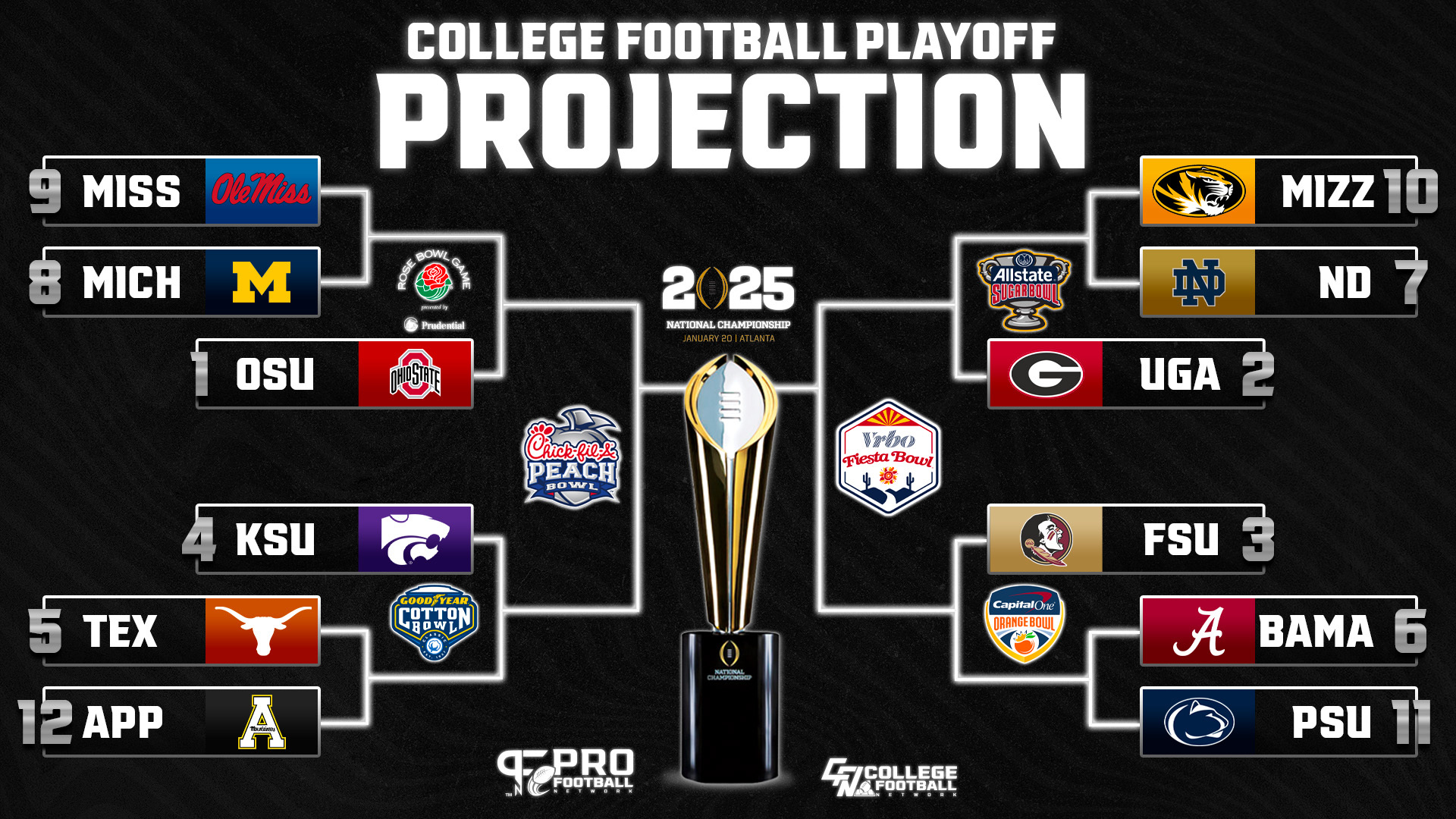

College Football 2026 CFP Bracket Projection Via College Sports Crawler. 2026 College Football Playoff National Date Location TV CFP 2026 . Ncaa Football Game 2026 Tickets CFP Bracket . Ncaa College Football Game 2026 ESPN Cobrand Graphics 3 . Where Is The National Game In 2026 College Football Cfp Title Game




College Football Playoff Sets National Site For 2026 Season USATSI 25005698 1024x683 . How To Buy Tickets To The CFP National Game Shop Miami GettyImages 2192787296 . Ncaa Football Game 2026 Release EA College Football Jeremiah Smith Cover Scaled . Ncaa College Football Game 2026 Where Is The 2025 College Football National Game 1536x1024 . 2026 NCAA Tournament January 19 The Game Haus 2026 NCAA Tournament Preseason .webp
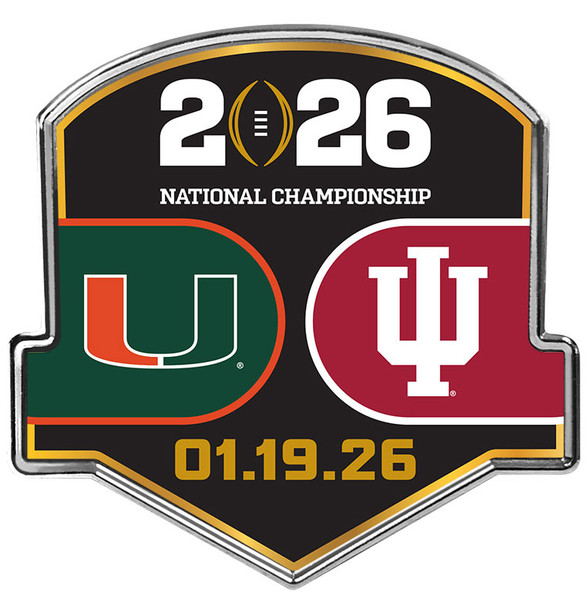




2026 College Football National Dueling Pin Miami Vs Indiana 2 . Ncaa Football Game Tv Schedule 2025 26 Pdf College Football Playoff . College Football Playoff Bracket Updated Schedule Results Scores For CFP FTR 0 . College Football Playoff Picks Ole Miss Is Last Hope For SEC To Reach CFP Sugar Bowl Football Scaled . NCAA Adds Flag Football To Emerging Sports For Women Program NCAA Org 2026 16x9




Indiana Defeats Miami To Win The College Football Playoff National Indiana National . How To Watch The College Football National Miami College Football Playoff National Logo . Changes To Injury Timeouts Approved In Football NCAA Org 16x9 . NCAA Football Indiana Faces Miami In National Title Game 28304 Ncaa Football Indiana Faces Miami In National Title Game Monday 1200x678 . National 2025 2026 Game On Behance



2026 Football In Stadium Setting With Large Numbers And Football Stadium Setting Large Numbers Confetti 367000303 . College Football Playoff Schedule Unveiled For 12 Team Field In 2024 2025 97312df0 E90e 11ed 91ff. College Football Bracket 2025 Odds Top Matchups In OSU . 2025 NCAA DIII Football Bracket Schedule Scores NCAA Com Diii Football Bracket . 2026 College Football National Game NCAA Jersey Patch Ind 2026 College National Game NCAA Jersey Patch The Emblem Source 6339845



Nashville Named Host Of 2026 2027 FCS Games NCAA Com College Football Playoff Bracket Seeds Teams Final . College Football Playoff Sets National Sites For 2025 2026 USATSI 15422610 768x512 . Easy Printable Ncaa Bowl Schedule With Helmets And Names 2026 Printable Bowl Games 2025 26 Printable Bracket Schedule Latest Odds Picks For Every Matchup 2 . NCAA College Football National Season 2026 Coming Soon 10179 Ncaa College Football National . Nashville Named Host Of 2026 2027 FCS Games NCAA Com College Football Playoffs Trophy