Ever wondered about the magic behind eight-bit gaming and its lasting appeal? This comprehensive guide dives deep into the world of classic 8-bit consoles, exploring their technological limitations and the creative solutions developers used. You will discover the iconic games that defined an era and learn why they still captivate players worldwide. We cover everything from early hardware like the NES and Sega Master System to the vibrant retro gaming community. Uncover how pixel art and chiptune music became cultural touchstones. Get ready to journey back to the foundations of modern gaming. Understand the enduring legacy of these simple yet profound experiences. This article offers insights for both seasoned retro enthusiasts and curious newcomers.
what is eight bit gaming FAQ 2026 - 50+ Most Asked Questions Answered (Tips, Trick, Guide, How to, Bugs, Builds, Endgame)
Welcome to the ultimate living FAQ for what is eight bit gaming, updated for 2026! Whether you are a seasoned retro enthusiast, a curious newcomer, or looking to optimize your retro experience, this guide has you covered. We dive deep into the classic 8-bit era, addressing common questions, dispelling myths, and offering tips, tricks, and essential insights. From understanding the hardware to appreciating the timeless games and vibrant community, get ready to explore every facet of this foundational period in gaming history. Let us embark on this nostalgic journey together and answer all your pressing queries about 8-bit fun.
Beginner Questions: Understanding the 8-Bit Era
What exactly defines 8-bit gaming?
8-bit gaming refers to video game systems and computers using 8-bit microprocessors, primarily popular from the early 1980s to early 1990s. This architectural choice influenced graphical capabilities, sound design, and game development paradigms significantly. It shaped a distinct era of digital entertainment.
Which consoles are considered 8-bit?
Key 8-bit consoles include the Nintendo Entertainment System (NES), Sega Master System, Atari 7800, and the PC Engine (TurboGrafx-16 in North America, though it had an 8-bit CPU with a 16-bit graphics chip). These systems defined the gaming landscape for millions. They introduced many to video games.
What is pixel art in 8-bit games?
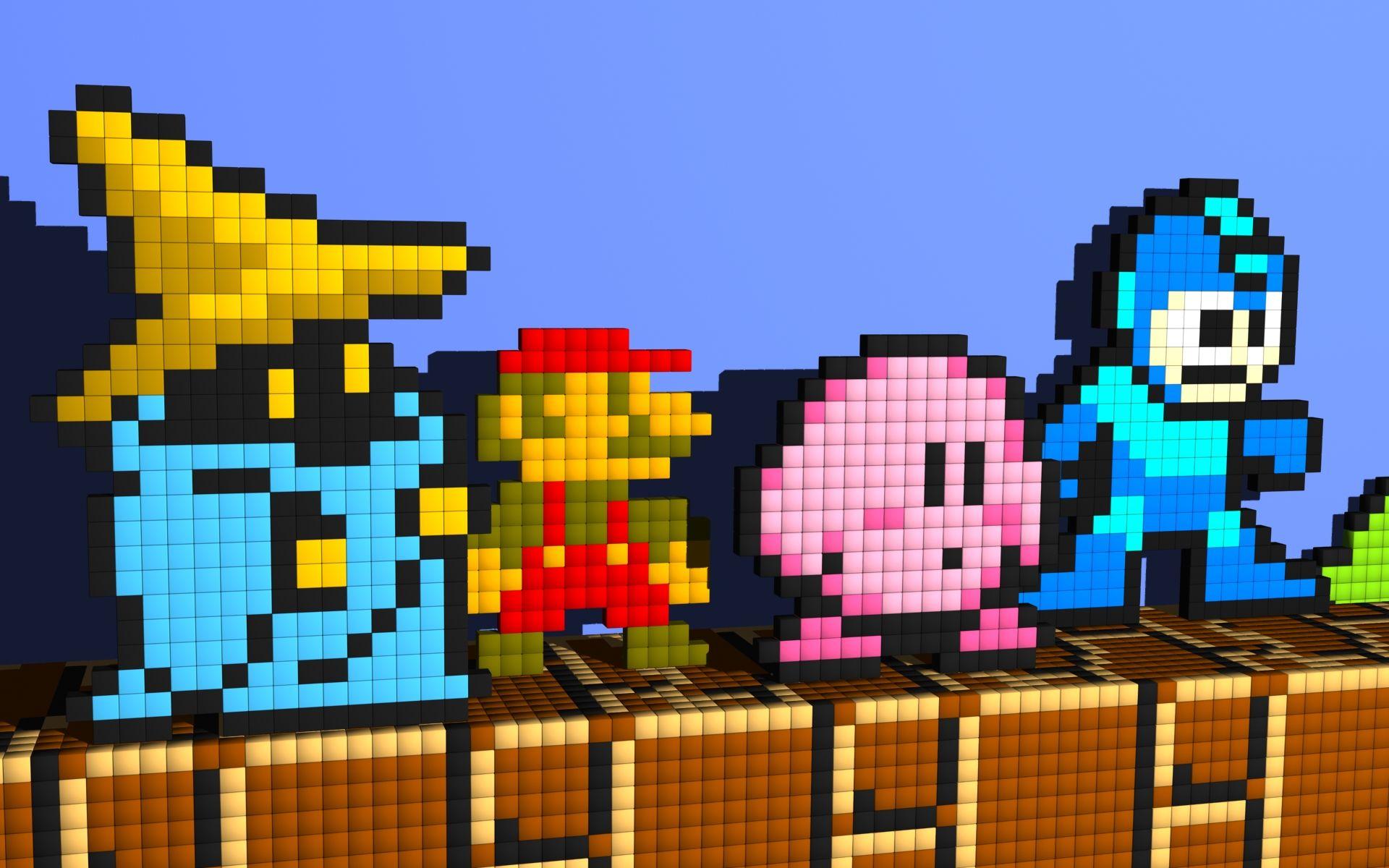
Pixel art in 8-bit games is a distinct visual style where individual pixels are clearly visible, forming characters and environments. Developers meticulously placed each pixel due to color and sprite limitations. This gave games a blocky, charming aesthetic that remains iconic. It required immense artistic skill.
How did 8-bit games handle sound?
8-bit games used specialized sound chips to generate chiptune music and sound effects. These chips typically had a limited number of channels (often 3-5) for various waveforms. This constraint led to incredibly creative and catchy melodies. Composers became masters of their craft.
History and Evolution: The 8-Bit Journey
When did the 8-bit era begin and end?
The 8-bit era broadly began in the early 1980s, rising to prominence with consoles like the NES in 1985. It gradually faded with the advent of 16-bit systems around 1989-1991, though some 8-bit consoles continued production for years. It was a golden age for gaming.
What impact did the NES have on 8-bit gaming?
The NES almost single-handedly revived the video game industry after the 1983 crash. It established Nintendo as a dominant force and introduced groundbreaking games and stringent quality control. This set new standards for console gaming. Its influence is immeasurable.
Myth vs Reality: Did the Sega Master System truly compete with the NES?
Reality: While the Sega Master System was technologically advanced and very popular in certain regions (Europe, Brazil), it struggled to compete with the NES's market dominance in North America and Japan. It offered quality games but lacked the same widespread appeal. Its niche was significant.
Playing 8-Bit Games Today: Emulation and Hardware
What are the best ways to play 8-bit games now?
You can play 8-bit games via original hardware, dedicated retro consoles (like NES Classic Mini), or emulation on PCs, mobile devices, and modern consoles. Each method offers a unique experience. Emulation provides convenience, while original hardware offers authenticity. Choose what suits you.
How do emulators work for 8-bit games?
Emulators are software programs that mimic the hardware of an 8-bit console on a modern device. They translate the original game code into instructions your current system can understand and execute. This allows for faithful reproduction of classic games. It is a technological marvel.
Tips for collecting original 8-bit games and consoles.
Start by researching market values and condition guides. Focus on games you genuinely want to play. Inspect items thoroughly for damage. Look for complete-in-box (CIB) copies if collecting. Local game stores, online marketplaces, and conventions are great places to search. Patience is key for finding treasures.
Iconic Games and Builds: 8-Bit Masterpieces
What are some must-play 8-bit RPGs?
Dragon Warrior (Dragon Quest), Final Fantasy, and Phantasy Star are essential 8-bit RPGs. They established many genre conventions and offered deep, engaging narratives despite technical limitations. These games provided countless hours of exploration. They are truly foundational experiences.
Myth vs Reality: Are all 8-bit games extremely difficult?
Reality: While many 8-bit games are indeed challenging by modern standards, not all are brutally difficult. Some, like Kirby's Adventure, offered more accessible gameplay. The perceived difficulty often stemmed from limited saves, no tutorials, and fewer lives. Practice usually helps a lot.
Modern Relevance: 8-Bit's Enduring Legacy
How has 8-bit gaming influenced indie games?
8-bit gaming deeply influences modern indie games, inspiring pixel art aesthetics, chiptune soundtracks, and fundamental gameplay mechanics. Developers often replicate the 'feel' of old-school games. This taps into nostalgia and leverages familiar design principles. It provides a strong artistic foundation.
Myth vs Reality: Is 8-bit gaming just for old people?
Reality: Absolutely not! While it holds significant nostalgic value for older generations, many new players discover and appreciate 8-bit gaming for its simple, focused gameplay, charming aesthetics, and historical significance. Its universal appeal transcends age. Good games are simply good games.
Still have questions?
Check out our related guides on 'Best NES Hidden Gems' or 'Collecting Retro Consoles on a Budget' for more detailed information!
Have you ever stopped to think about what exactly eight bit gaming means and why it holds such a special place in our hearts? For many of us, the mention of eight bit gaming conjures up vivid images of childhood afternoons spent glued to a television screen. It was a time when pixels were chunky and soundtracks were simple, yet the experiences were profoundly impactful and laid the groundwork for everything we play today. We are talking about the foundations of an entire industry, built on ingenuity and passion.
This article promises to take you on a journey through the captivating history of what is eight bit gaming, explaining its technical underpinnings and celebrating its cultural significance. You will gain a much deeper understanding of the systems and games that shaped an entire generation. Get ready to explore the charming limitations that sparked immense creativity. We will uncover the secrets behind those unforgettable moments.
The Dawn of Digital Worlds: What is Eight Bit Gaming?
Eight bit gaming refers specifically to video game consoles and computer systems that used 8-bit microprocessors during their prime. This era largely spans from the early 1980s to the early 1990s. These machines processed data in 8-bit chunks, influencing everything from graphics capabilities to memory access. Think of it as the foundational language of those early digital adventures, a language that was surprisingly rich.
The eight bit architecture meant limitations in color palettes, sprite sizes, and sound channels. Yet, these constraints forced developers to become incredibly inventive. They crafted memorable gameplay mechanics and iconic characters that transcended graphical simplicity. The best designers truly excelled under these conditions. They pushed the boundaries of what was thought possible.
Defining Features of Eight Bit Gaming
What truly defined eight bit gaming for millions around the globe? It was certainly more than just the technical specifications of the console itself. The games boasted a distinctive visual style known as pixel art, where individual pixels were clearly visible. This gave games a unique, blocky aesthetic that is instantly recognizable even today. Every pixel was a deliberate choice.
The audio experience was equally unique, characterized by chiptune music. These catchy melodies were generated using sound chips with a limited number of channels. Despite their technical simplicity, these tunes are remarkably memorable. Many still resonate with players of all ages. They are etched into the memories of countless gamers.
Quick Facts About Eight Bit Gaming
- Era Peak: Mid-1980s to early 1990s
- Key Platforms: Nintendo Entertainment System (NES), Sega Master System, Atari 7800
- Defining Art Style: Pixel Art
- Signature Music: Chiptune
- Lasting Impact: Foundation of modern gaming, widespread cultural nostalgia
Iconic Consoles and Unforgettable Games
The Nintendo Entertainment System, or NES, undeniably dominated the 8-bit landscape. It revived the entire video game industry after the crash of 1983. Its iconic gray box and unforgettable controller became household staples. This system brought gaming back to life for everyone. It truly changed the game forever.
The Sega Master System offered a strong alternative, especially in Europe and Brazil. It showcased its own impressive library of games and a sleek, futuristic design. While it never reached NES sales numbers globally, it carved out a significant niche. Many fans still passionately adore this console. It remains a beloved system.
The Games That Defined What is Eight Bit Gaming
Many legendary titles emerged from the eight bit era. These games are still celebrated for their innovative gameplay and enduring fun. Super Mario Bros on the NES set new standards for platforming games. Its intricate level design and precise controls were revolutionary. It taught players what was truly possible.
The Legend of Zelda introduced open world exploration and action-adventure elements that were far ahead of their time. Metroid pioneered atmospheric sci-fi exploration with its unique progression system. Castlevania offered gothic horror and challenging side-scrolling action. These titles are not just classics; they are masterpieces of game design, showcasing incredible creativity within technical limits.
The Enduring Appeal: Why 8-Bit Still Matters
Even with today's hyper-realistic graphics and complex online multiplayer, eight bit gaming continues to capture new audiences. Its simplicity often provides a refreshing change of pace from modern blockbusters. There is a certain charm in its straightforward mechanics and clear objectives. It is a purer form of entertainment.
The accessibility of eight bit gaming is another major draw. Many classic titles are easy to pick up and play. They offer immediate fun without requiring extensive tutorials or complex setups. This makes them perfect for casual gaming sessions. It is easy to see why they remain so popular. They just work well.
The Rise of Retro Gaming and Emulation
The retro gaming community thrives, celebrating and preserving these digital artifacts. Emulation allows modern players to experience 8-bit classics on current hardware. This ensures that these historical games are not forgotten. It helps new generations appreciate gaming's roots. Emulators make these games accessible.
Collecting original 8-bit consoles and cartridges has also become a passionate hobby. The hunt for rare games and pristine hardware offers a tangible connection to gaming history. Prices for sought-after titles can reach surprising levels. This reflects the deep love for this era. It is a true collector's market.
What Others Are Asking?
Is eight bit gaming still popular today?
Yes, eight bit gaming is incredibly popular today, driven by nostalgia, accessible gameplay, and a thriving retro community. Many modern indie games draw heavy inspiration from this era, showcasing its timeless appeal to both new and old players. Its legacy truly lives on.
What are the best eight bit consoles for beginners?
The Nintendo Entertainment System (NES) is often recommended for beginners due to its vast library of iconic and accessible games. The Sega Master System also offers a great entry point with its unique titles. Both provide a fantastic introduction to the 8-bit era. You cannot go wrong with either.
How did eight bit graphics work?
Eight bit graphics utilized a limited color palette and small, individual pixels to create images. Developers maximized these constraints by carefully arranging pixels and reusing sprites to simulate more complex visuals. This clever design created memorable art. Every pixel was essential to the overall picture.
What is the difference between 8-bit and 16-bit gaming?
The key difference lies in the microprocessors used. 8-bit systems processed data in 8-bit chunks, while 16-bit systems processed data in 16-bit chunks. This allowed 16-bit consoles like the SNES and Sega Genesis to display more colors, larger sprites, and more complex audio. It was a significant leap forward in power.
Can I play eight bit games on modern systems?
Absolutely! You can play eight bit games on modern systems through various means. Emulators are widely available for PCs and mobile devices. Many classic titles are also rereleased on digital storefronts for current consoles. Dedicated retro consoles also offer options. It is easier than ever to enjoy them.
Common Mistakes When Approaching 8-Bit Gaming
A frequent mistake is expecting modern graphical fidelity or complex storytelling from 8-bit titles. These games shine through their gameplay mechanics and imaginative use of limited resources. Embrace their retro charm rather than comparing them directly to today's blockbusters. They offer a different kind of fun.
Another error is overlooking the context of their release. Many 8-bit games were groundbreaking for their time, even if they seem basic now. Understanding the technological constraints and the burgeoning industry helps appreciate their achievements. It adds so much to the experience. History truly matters here.
The Future Outlook: The Everlasting Eight Bit Gaming Legacy
The influence of eight bit gaming shows no signs of fading. Indie developers continuously draw inspiration from its aesthetic and gameplay philosophies. Pixel art and chiptune music are still vibrant artistic choices in new releases. The simplicity and immediate fun of 8-bit design principles remain evergreen. This era's impact is truly undeniable.
The ongoing preservation efforts by enthusiasts and companies ensure that these games will be accessible for generations. Eight bit gaming represents a crucial chapter in gaming history, a time of pure innovation and boundless imagination. It reminds us that often, less truly is more. Its legacy will continue to evolve.
Key Takeaways: What is Eight Bit Gaming?
- Eight bit gaming utilized 8-bit processors, leading to distinctive pixel art and chiptune audio.
- Iconic consoles like the NES and Master System defined the era.
- Games like Super Mario Bros, Zelda, and Metroid are foundational masterpieces.
- The era's limitations fostered incredible developer creativity.
- Eight bit gaming remains popular due to nostalgia, simplicity, and active retro communities.
- Emulation and re-releases make classic titles easily accessible today.
- Its influence deeply impacts modern indie game development and art styles.
Key Highlights: Discover the technical marvels of 8-bit hardware; Explore legendary game titles and their impact; Understand the evolution of pixel art and chiptune music; Learn about the thriving retro gaming community; Tips for collecting and playing classic 8-bit games; Pros: Timeless gameplay, nostalgic value, simple mechanics; Cons: Outdated graphics, limited hardware, difficulty finding original systems.
35


What Is An 8 Bit Video Game Infoupdate Org From 8 Bit To Realism The Evolution Of Video Game Graphics . Seven Amazing New Atari 8 Bit Games Including Bubble Bobble Time . What Are 8 Bit Graphics Anyway Pocket Gamer Hqdefault . Home Warner Chappell Production Music Object 283927653 . The 8 Bit Charm Why Retro Gaming Is Thriving In 2025 The 8 Bit Charm Why Retro Gaming Is Thriving In 2025 1757073912



8 Bit Gaming Conference Dublin Ie WO 8 Bit Gaming Conference 01 . How To Design 8bit Pixel Art Games Tutorial 8Bit Game Design YouTube . Donkey Kong 1 BIT Vs 2 BIT Vs 4 BIT Vs 8 BIT Vs 16 BIT Vs 32 BIT Vs . What Do 8 Bit And 16 Bit Actually Mean A Simple Guide To Classic 8bitvs16bit . Mario 2 En 3d Y 8 Bits Mario Bros 8bit Graphics
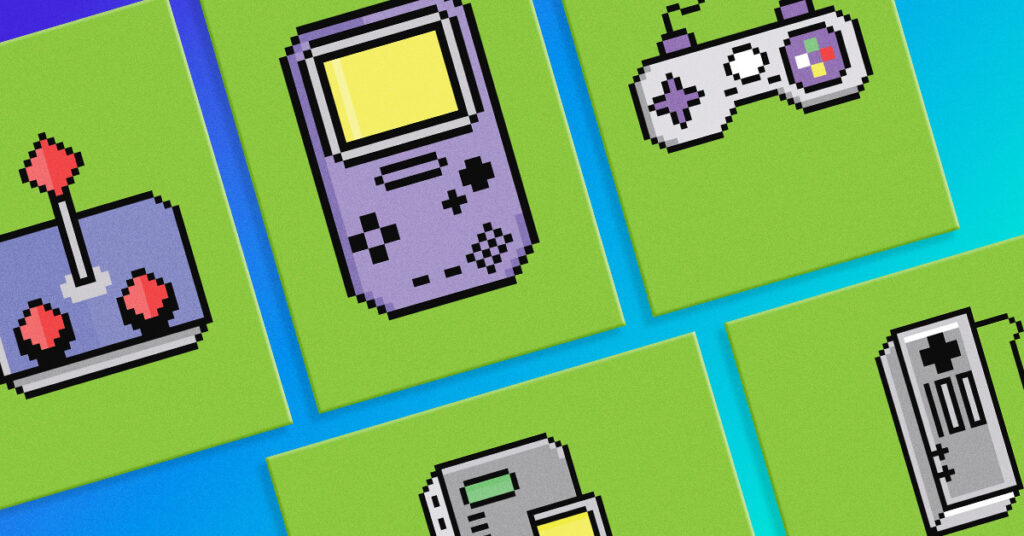

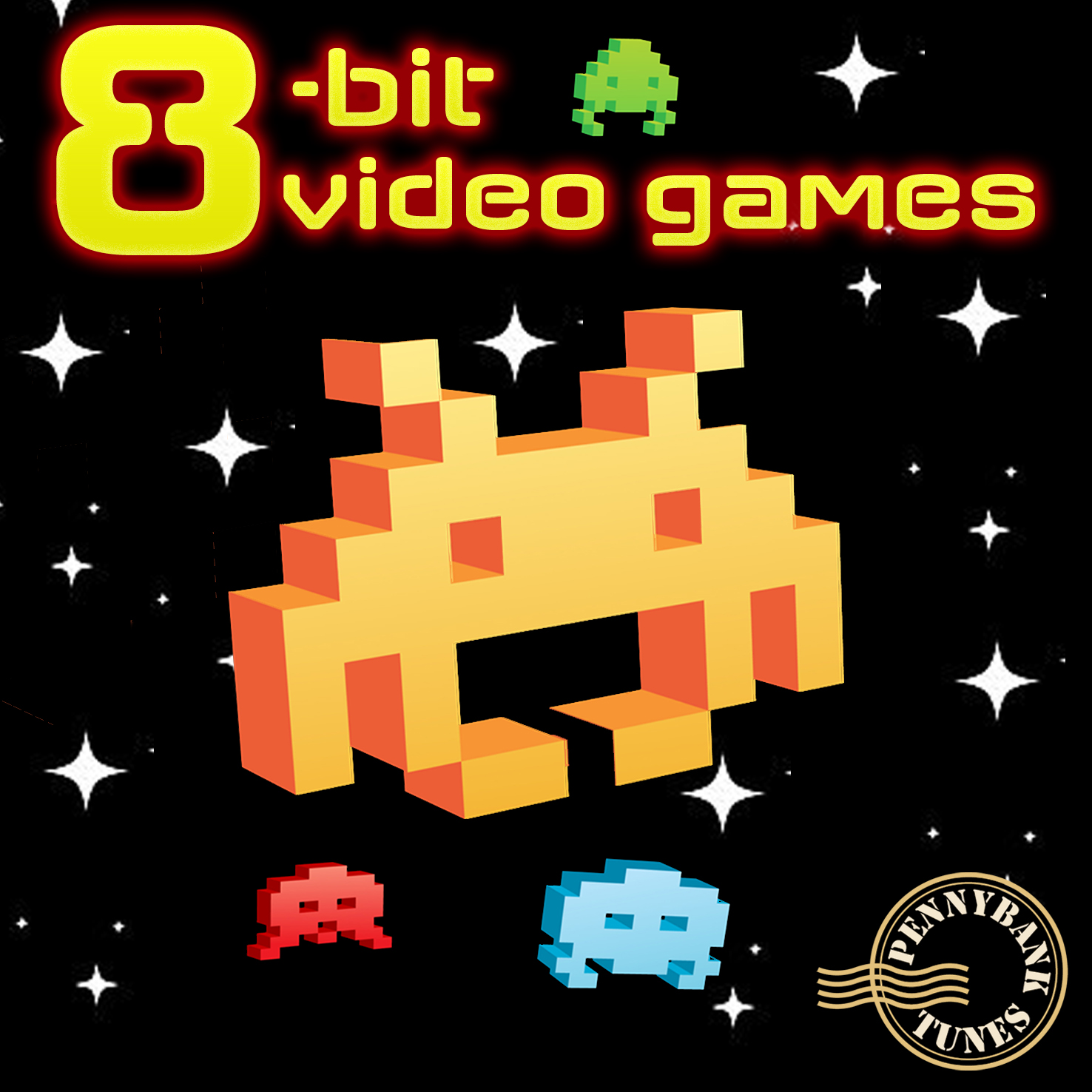

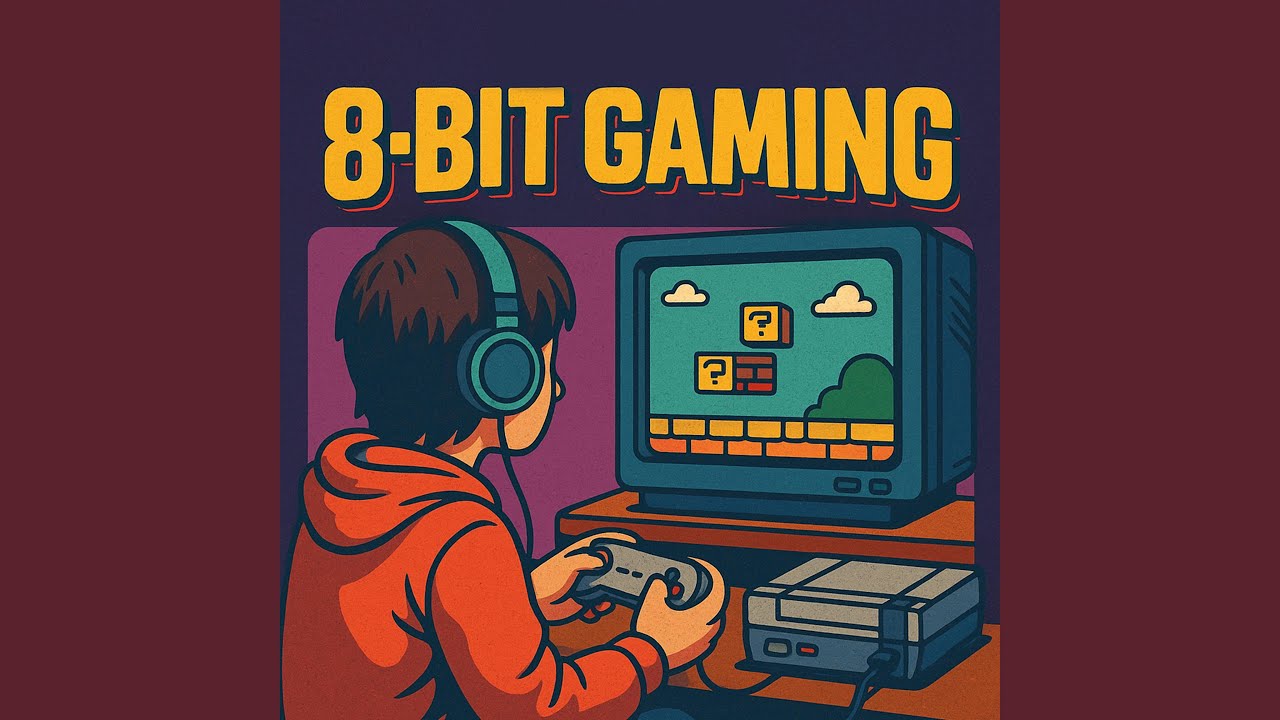
8 Bit Games We Still Play Today Displate Blog 03 8 Bit Games We Still Play Today BLOG 1024x536 . 8 BIT BEANS CAFE GAMING LOUNGE 2026 All You Should Know BEFORE You Caption . Old 8 Bit Games Online PNBT 1043 8 Bit Video Games . Who S Ready For Tomorrow From Cyberpunk 2077 8 Bit Computer Game 800x800cc . 8 Bit Gaming YouTube

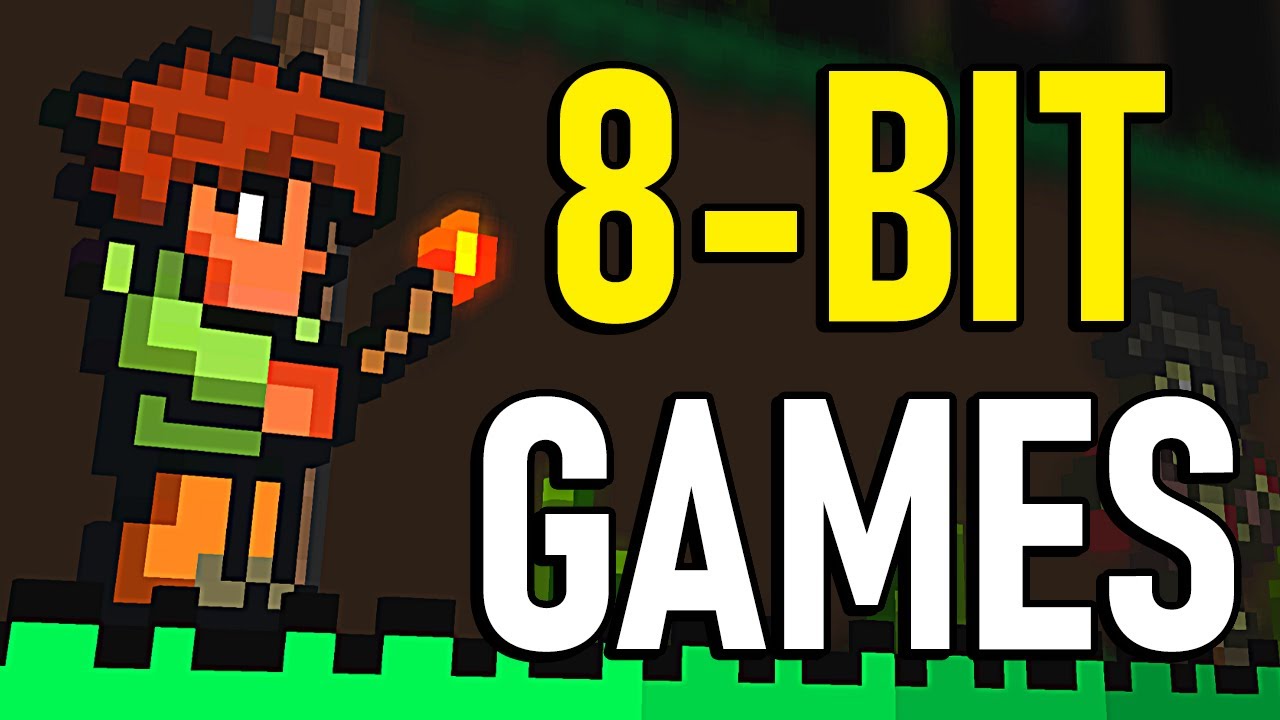

8 Bit Gaming Is On Facebook Gaming Media. Best 8 Bit Games On Steam 2020 Update YouTube . Evolution Of Gaming From 8 Bit To Virtual Reality Pdf Evolution Of Gaming From 8 Bit To Virtual Reality Pdf 2 320 . The Greatest Atari 8 Bit Games Of All Time YouTube Hqdefault . Lambda Gaming Challenge The Ordinary 8bit2048


7 Iconic 8 Bit Games That Gaming 6b2262eb 122c 4c92 9efd. 8 Bit Games YouTube HlA D6gv3tyGK C4Q4=s900 C K C0x00ffffff No Rj. Mario Sprites 16 Bit . The Angry Video Game Nerd 8 Bit Adds Endless Challenge Mode Angry Video Game Nerd 8 Bit Banner . Japanese Pokemon Black Bolt 8 Bit Legends Video Games Facebook Media



8Bit PC And Steam Keys Fanatical 46ee0171 Ed0b 4de6 Bc40 Jpg. It S 2026 And We Re Getting A Brand New 8 Bit Game Console Gametank Crt . Nintendo S 2025 Has Been All About The Hardware But 2026 Is Going To . New Year 2026 Design From Pastel Cubes On Black 8 Bit Isometric Style New Year 2026 Design From Pastel Cubes On Black 8 Bit Isometric Style Vector . New Year 2026 Design From Blue Cubes On White 8 Bit Isometric Style New Year 2026 Design From Blue Cubes On White 8 Bit Isometric Style Vector


8 Bit Mario Wallpapers Wallpaper Cave ZGRYOGM . Two Hours Of Random NES 8 Bits Games YouTube . Super Mario Bros GAME OVER LCD Vs 0 BIT Vs 2 BIT Vs 4 BIT Vs 8 BIT . BIT 2026 Strengthens Sector Dialogue With New Advisory Board And Think BIT25 1536x864 . 10bit Vs 8bit Color For Gaming Which One To Pick 10bit Color Vs 8bit Color For Gaming 600x332