Navigating the vibrant world of gaming stocks offers exciting opportunities for both seasoned investors and gamers curious about the business behind their passion. This comprehensive guide explores what are some gaming stocks, breaking down the major players across publishers, hardware manufacturers, esports, and mobile gaming. Discover key investment insights, understand market trends driven by millions of US gamers playing over 10 hours weekly, and learn how to identify potential growth areas. Whether you are looking to balance your portfolio with tech innovators or capitalize on the booming mobile gaming sector, this resource provides actionable information to help you make informed decisions in this dynamic market. Explore the companies shaping the future of interactive entertainment and find out how their success translates into investment potential.
What are the main categories of gaming stocks?
The main categories of gaming stocks include game publishers and developers (like Activision Blizzard, Electronic Arts), gaming hardware manufacturers (NVIDIA, AMD, Razer), console makers (Sony, Microsoft), esports organizations and platforms (ESL Gaming, Twitch), and mobile gaming companies (Tencent, NetEase). Each category offers unique investment profiles based on their specific market dynamics and revenue models.
Why are gaming stocks considered a growth industry?
Gaming stocks are considered a growth industry due to several factors: increasing global internet penetration, the widespread adoption of smartphones for mobile gaming, the expansion of esports viewership and revenue, technological advancements like cloud gaming and VR, and the consistent demand for interactive entertainment as a form of social connection and stress relief for diverse demographics, including busy adults.
How do in-game purchases and subscriptions affect gaming company revenues?
In-game purchases (microtransactions, battle passes, cosmetic items) and subscription services (like Xbox Game Pass, PlayStation Plus, EA Play) are now primary revenue drivers for many gaming companies. These models provide consistent, recurring income streams beyond initial game sales, fostering long-term player engagement and significantly boosting profitability, making these companies attractive to investors.
What impact does mobile gaming have on the overall gaming stock market?
Mobile gaming holds a dominant share of the global gaming market, influencing overall gaming stock valuations significantly. Companies excelling in mobile (e.g., through free-to-play titles with strong monetization or innovative casual games) often demonstrate robust user acquisition and revenue growth. Its accessibility makes it a key growth driver, especially for gamers who balance limited time with their passion.
Are investments in gaming hardware companies different from software companies?
Yes, investing in gaming hardware companies (e.g., NVIDIA, AMD, console makers) differs from software companies (publishers). Hardware relies on refresh cycles, technological breakthroughs, and supply chain efficiency, while software depends on successful game launches, recurring content, and intellectual property management. Hardware often has higher R&D costs but can also have wider applications beyond just gaming (e.g., AI for GPUs).
How can I assess the potential of a new gaming company's stock?
Assessing a new gaming company's stock involves researching its management team, understanding its unique selling proposition or game IP, analyzing its financial health and funding, reviewing player feedback and engagement for its products, and evaluating its market niche and competitive landscape. Look for innovation, a clear monetization strategy, and strong community building efforts that resonate with gamers.
What role do esports and streaming platforms play in gaming stock investments?
Esports and streaming platforms (like Twitch, YouTube Gaming) are crucial for gaming stock investments because they drive visibility, marketing, and community engagement for games and hardware. Companies owning or investing in these platforms benefit from advertising revenue, sponsorships, and increased game sales driven by influencer promotion, adding another layer of monetization and growth to the gaming ecosystem.
Hey fellow gamers! Ever found yourself deep into a raid, dominating an esports match, or just chilling with friends in a cozy game, and thought, "Wow, this industry is massive. I wonder what are some gaming stocks I could invest in?" You're not alone. In 2026, the gaming world isn't just a hobby; it's a colossal industry, with about 87% of US gamers regularly logging over 10 hours a week. Many of us balance epic gaming sessions with jobs, families, and life's other quests. We love the relaxation, the skill-building, the social connections, and getting maximum value for our hard-earned cash. So, it makes sense to look at how we can level up our financial game by understanding the companies that make our digital escapes possible.
This guide isn't about hype; it's about practical insights for gamers like us. We'll explore what are some gaming stocks worth looking at, from the titans behind your favorite triple-A titles to the innovators in mobile and hardware. We'll cut through the noise, helping you understand how the trends you see daily—like the rise of cross-play, in-game purchases, and social gaming—translate into investment opportunities. Forget setup issues or performance drops; here, we're optimizing your investment strategy, not your framerate. Let's dive into the fascinating intersection of gaming and finance, empowering you to make smart choices in a market you already know and love.
What are Some Gaming Stocks and Who are the Key Players?
When we talk about what are some gaming stocks, we're looking at a broad spectrum of companies. These aren't just the game developers, but also the hardware manufacturers, streaming platforms, and even companies involved in esports. Think of it like a gaming ecosystem where every component contributes to the overall experience. The key players typically fall into several categories, each with its own investment thesis. Understanding these categories is your first step to identifying potential investments that align with your understanding of the market and current gaming trends.
Game Publishers and Developers
These are the companies that create, market, and distribute the games we play. They often hold vast intellectual property (IP) libraries, which are significant assets. Big names like Activision Blizzard, Electronic Arts, Take-Two Interactive, and Nintendo are stalwarts in this space. Their revenue comes from game sales, subscription services (like EA Play), and increasingly, in-game purchases and battle passes. As gamers who appreciate value for money, we often see which publishers consistently deliver quality and engaging content, or which ones capitalize on popular trends like live service games that keep us coming back.
Gaming Hardware and Peripherals
Without the gear, where would we be? This category includes companies that make consoles, PCs, graphics cards, VR headsets, and peripherals like keyboards, mice, and headsets. NVIDIA and AMD are crucial for high-performance PC gaming due to their GPUs. Console makers like Sony (PlayStation) and Microsoft (Xbox) are also massive players. Then there are companies like Razer and Logitech, which dominate the gaming peripheral market, constantly innovating to meet our demands for better performance and comfort. Their success often mirrors the refresh cycles of consoles or the demand for PC upgrades driven by new, more demanding titles.
Esports and Streaming Platforms
Esports is no longer a niche; it's a global phenomenon, attracting millions of viewers, comparable to traditional sports. Companies that own esports leagues, teams, or facilitate competitive play are growing rapidly. Twitch (owned by Amazon) and YouTube Gaming are dominant streaming platforms where creators and professional players build massive communities. Companies like Modern Times Group (MTG) through ESL Gaming are significant in the esports infrastructure. As gamers, we know the power of social play and watching our favorite streamers, and these platforms are monetizing that engagement through ads, subscriptions, and sponsorships.
Mobile Gaming Companies
Mobile gaming continues its dominance, especially among busy US adults balancing life and gaming. It's often the most accessible entry point to gaming, and free-to-play models with in-app purchases drive immense revenue. Companies like Tencent, NetEase, and Zynga (now part of Take-Two Interactive) are giants in this space. They often target short, engaging play sessions, perfect for our limited time. The sheer volume of players and transactions makes mobile a critical area when looking at what are some gaming stocks, as it taps into a vast, diverse audience that might not own a console or high-end PC.
Why Should Gamers Consider Investing in Gaming Stocks?
As gamers, we have an inherent advantage: we understand the market from the inside out. We know which games are trending, which companies deliver on their promises, and what innovations genuinely improve the gaming experience. This unique insight can be a powerful tool for informed investment. Investing in gaming stocks allows us to potentially benefit financially from an industry we already support and love. It's about aligning our passion with our financial goals, turning our hours of playtime into potential portfolio growth.
Think about it: you know when a new console is about to drop, you see the buzz around a major game release, and you understand the long-term appeal of live service games that keep players engaged for years. These aren't just observations; they're market signals. With 87% of US gamers playing regularly, and many balancing gaming with work and family, the demand for accessible, engaging, and value-driven experiences remains high. Mobile gaming, for example, is perfect for those quick breaks. Investing in companies that excel in these areas allows you to put your money where your passion and knowledge already are, potentially turning your gaming insights into smart financial decisions.
How Do Current Gaming Trends Influence Stock Performance?
Gaming is a dynamic industry, constantly evolving. What was popular last year might be old news this month. Understanding these trends is crucial when assessing what are some gaming stocks with growth potential. Recent US gaming trends show continued growth in mobile gaming, the increasing importance of social features and cross-play, and the expanding influence of esports and content creators. These aren't just fads; they represent fundamental shifts in how people engage with games, directly impacting company revenues.
For instance, the rise of social and cozy games has made titles like Animal Crossing or Stardew Valley huge successes, appealing to gamers seeking relaxation and connection rather than intense competition. Companies capable of tapping into these diverse player needs often see sustained engagement and revenue. Free-to-play models, often supported by in-game purchases (microtransactions), continue to be a powerhouse, especially in mobile. As gamers, we might grumble about loot boxes, but we also participate in battle passes or cosmetic purchases that drive significant revenue for publishers. Companies that master the balance of player value and monetization often outperform. Furthermore, the creator economy and streaming influence game sales directly, making companies that engage well with streamers and content creators more visible and successful.
Are Gaming Stocks a Good Long-Term Investment?
The gaming industry has shown remarkable resilience and consistent growth over decades, making many gaming stocks potentially attractive for long-term investors. Unlike some other entertainment sectors, gaming thrived during recent economic downturns, proving its essential role in people's lives for entertainment and connection. The underlying drivers—technological advancements, increasing global access to the internet, and the broadening appeal of interactive entertainment—suggest a sustained upward trajectory. However, like any investment, it's not without risks.
The industry is cyclical, with console generations and major game releases creating peaks and troughs. Competition is fierce, and a single poorly received game can significantly impact a publisher's stock. Diversification within the gaming sector, investing across different segments like hardware, software, and services, can mitigate some of these risks. Looking at companies with strong balance sheets, innovative R&D, and a consistent track record of delivering engaging content or essential technology provides a more robust long-term outlook. Ultimately, it requires research, patience, and a willingness to stay informed about industry developments, much like mastering a complex game.
Which Gaming Sectors Show the Most Growth Potential Right Now?
Identifying high-growth sectors within gaming is key for maximizing investment returns. While established areas like console gaming remain strong, certain segments are exhibiting explosive growth fueled by technological innovation and evolving player preferences. From a gamer's perspective, we see these shifts happening daily, offering clues to where the smart money might go. Understanding these areas can help us pinpoint what are some gaming stocks poised for future success.
- Mobile Gaming: Still the largest and fastest-growing segment globally, especially with the prevalence of smartphones. Companies focusing on hyper-casual, free-to-play, and cross-platform mobile experiences are constantly innovating.
- Cloud Gaming: Services like Xbox Game Pass Ultimate (with cloud streaming), NVIDIA GeForce Now, and Amazon Luna are removing hardware barriers, allowing more people to access high-quality games on various devices. This sector addresses the pain point of expensive hardware upgrades, making gaming more accessible.
- Esports Infrastructure and Monetization: Beyond just game publishers, companies building platforms, analytics tools, or monetization solutions for esports events and teams are seeing significant growth. The audience for esports continues to expand, and the ecosystem supporting it grows alongside.
- VR/AR Gaming: While still nascent, advancements in hardware (like Meta Quest) and compelling content are slowly but surely bringing VR/AR to a broader audience. Investing in companies pioneering this space could offer significant long-term rewards, though it carries higher risk due to its early stage.
- User-Generated Content (UGC) Platforms: Games like Roblox and Minecraft thrive on UGC, empowering players to create and monetize their own experiences. Companies fostering strong UGC communities often see deep engagement and sustained growth.
How Can I Research Gaming Stocks Effectively as a Gamer?
Your passion for gaming isn't just a hobby; it's a powerful research tool. You already know which companies are making waves, which games are hits, and where the industry is heading. To translate this into effective stock research, combine your gamer intuition with solid financial analysis. Here's a practical approach:
- Follow Industry News & Trends: Stay updated on gaming news sites, forums, and developer announcements. Which games are generating buzz? What new technologies are emerging? Your daily gaming habits already give you an edge here.
- Analyze Company Reports: Look at quarterly earnings reports, investor presentations, and annual reports. Pay attention to revenue growth, profit margins, active user numbers, and future project pipelines. Are they investing in areas that align with current trends like mobile or cloud gaming?
- Understand Business Models: Does the company rely on one-time game sales, subscriptions, in-game purchases, or advertising? How diversified are their revenue streams? Gamers often understand the nuances of monetization better than general investors.
- Competitor Analysis: Who are their rivals? How do they stack up in terms of market share, innovation, and player satisfaction? A strong competitor can be a threat, but it can also push companies to innovate more aggressively.
- Gamer Sentiment: What are fellow gamers saying on Reddit, Discord, and social media? Positive or negative sentiment around a game or company can be an early indicator of future performance. Is a company addressing player pain points like server issues or lack of content?
- Look for Innovation: Which companies are pushing boundaries in areas like AI in games, new hardware, or unique social features? Innovation often leads to sustained competitive advantage.
What are the Risks Associated with Investing in Gaming Stocks?
While the gaming industry offers significant opportunities, it's crucial to be aware of the risks involved. Just like a high-difficulty raid, preparation and understanding potential threats are key to success. Investing in what are some gaming stocks can be volatile, and not every company will succeed.
- Hit-Driven Nature: Many publishers rely heavily on the success of a few major titles. A flop can significantly impact revenue and stock price. For us gamers, this means watching out for development issues or poor reviews.
- Intense Competition: The market is crowded with developers and publishers vying for player attention. New games and companies emerge constantly, making it hard to maintain market dominance.
- Rapid Technological Change: What's cutting-edge today might be obsolete tomorrow. Companies need to constantly innovate in hardware, software, and distribution models to stay relevant.
- Regulatory Scrutiny: Issues like loot boxes, microtransactions, and player data privacy can attract government regulation, potentially impacting business models and profitability.
- Economic Downturns: While gaming has been resilient, discretionary spending on games and hardware can still be affected during severe economic crises. However, the value for money proposition of gaming often helps it weather storms better than other luxury items.
- Cybersecurity Threats: Gaming companies are often targets for cyberattacks, which can lead to data breaches, service disruptions, and reputational damage.
By understanding these risks, you can make more informed decisions and potentially diversify your portfolio to mitigate some of these challenges.
Can I Invest in Gaming Stocks if I'm on a Budget?
Absolutely! You don't need a huge budget to start investing in gaming stocks. Just like finding value in a free-to-play game or a budget-friendly hardware upgrade, smart investing is about strategy, not just capital. Here's how you can approach it:
- Fractional Shares: Many brokers now offer fractional shares, allowing you to buy a portion of a high-priced stock with as little as a few dollars. This means you can invest in companies like NVIDIA or Microsoft without buying a whole share.
- ETFs (Exchange Traded Funds): Consider gaming-specific ETFs like ESPO (VanEck Video Gaming and Esports ETF) or GAMR (Wedbush ETFMG Video Game Tech ETF). These funds hold a basket of gaming stocks, providing instant diversification across many companies with a single investment, which can be more stable than individual stocks.
- Dollar-Cost Averaging: Instead of trying to time the market, invest a fixed amount regularly (e.g., $50 every month). This strategy, known as dollar-cost averaging, smooths out your purchase price over time and reduces the risk of investing a lump sum at a market peak.
- Research Smaller Cap Innovators: While major publishers are well-known, smaller, innovative gaming companies or those focused on specific niches (like indie game publishers or specialized tech) might offer higher growth potential, though with higher risk. Thorough research is key here.
Starting small and consistent is often the most effective way to build wealth over time. Treat it like a long-term progression in your favorite RPG, gaining experience and resources steadily.
How Do Esports and Streamer Culture Impact Gaming Stock Valuations?
Esports and the broader streamer culture are no longer just fringe activities; they are central to the gaming industry's growth and directly influence how companies are valued. We, as gamers, see the immense reach of top streamers and the global appeal of major esports tournaments. This translates into tangible economic value.
First, **audience engagement**. Millions tune into Twitch, YouTube, and other platforms daily, watching professional players and content creators. This provides massive marketing exposure for games and hardware. A game featured by a popular streamer can see an immediate surge in sales or downloads. Companies like Electronic Arts and Activision Blizzard actively cultivate relationships with streamers and invest in esports leagues because they understand this direct correlation to game visibility and player acquisition.
Second, **monetization opportunities**. Beyond game sales, esports generates revenue through sponsorships, advertising, media rights, and merchandise. Streamers monetize through subscriptions, donations, and brand deals. Companies like Razer benefit from sponsoring esports teams and streamers, boosting their brand visibility among core gaming demographics. Platforms like Twitch, owned by Amazon, are direct beneficiaries of this content ecosystem, generating revenue from ads and subscriptions. Investors recognize that companies deeply integrated into this culture have diversified revenue streams and strong community engagement, which are attractive signals for growth and stability in their stock valuations.
Conclusion: Level Up Your Investment Game
Navigating the world of gaming stocks might seem like a complex new game, but as gamers, you already possess unique insights into this dynamic industry. From understanding which publishers consistently deliver value, to recognizing the growth drivers in mobile or esports, your passion is a powerful analytical tool. We've explored what are some gaming stocks, the key players, growth trends, and how you can approach investing thoughtfully, even on a budget. Remember, just like in gaming, success in investing comes from research, strategy, and patience, not just chasing the latest hype.
The gaming industry is constantly evolving, driven by innovation and a massive, dedicated global audience. By applying your gamer's mindset—focusing on value, performance, and long-term engagement—you can make informed investment decisions that align with your interests. What's your biggest gaming challenge, or perhaps your next investment insight? Comment below and share your thoughts!
FAQ Section
What is the biggest gaming company by market cap?
Currently, NVIDIA often holds one of the highest market capitalizations relevant to gaming due to its dominant position in GPUs, essential for high-end gaming, AI, and data centers. In terms of pure gaming publishers, Tencent, Sony, and Microsoft are among the largest, given their extensive gaming divisions, consoles, and game libraries.
Are mobile gaming stocks a good investment?
Mobile gaming stocks often present strong investment opportunities due to the segment's massive global audience, consistent revenue from in-app purchases, and high accessibility. Companies like Tencent and NetEase dominate this space, showing robust growth, particularly among casual and busy gamers.
How do I buy gaming stocks?
To buy gaming stocks, you'll need to open an account with a brokerage firm (e.g., Fidelity, Schwab, E*TRADE). Once your account is funded, you can search for specific company tickers (e.g., ATVI for Activision Blizzard, NTDOY for Nintendo) or invest in gaming-focused ETFs that hold a basket of these stocks.
What are some up-and-coming gaming companies?
Identifying truly
Understanding the diverse gaming stock market covering publishers, hardware, esports, and mobile. Identifying growth drivers like subscription models and in-game purchases. Recognizing key players and their market positions. Leveraging gamer insights to inform investment decisions. Balancing gaming enthusiasm with sound financial analysis.
35



Gaming Stocks 2026 Outlook Analysts See Gains Ahead After A Mixed 2025 GAMB 2 . Gambling Stocks Weekly 1 5 June 2026 European Market Analysis European Gambling Stocks Weekly June 1-5 1044x548 . Nvidia Stock Forecast 2026 Analysts Reveal Their Price Targets Chart53 2. TOP 10 STOCKS FOR 2026 TOP 10 STOCKS FOR 2026 1024x683 . Top Video Game Stocks To Watch In 2025 Gamestocks



Top AI Stocks 2026 9 Powerful Predictions For Smart Investors Top Ai Stocks 2026 Social 3d. 10 Best Growth Stocks To Buy In 2025 For Long Term Investors The 1.1 10 Best Growth Stocks To Buy In 2025 . Top 10 Most Anticipated Games Of 2026 What To Watch Out For TVN GAMES IN 2026 . Top 10 Stocks For 2026 Live Expert Analysis Free Stock List Top 10 Stocks For 2026 1024x553 . Nvidia Stock Price Prediction 2025 2026 2030 2040 2050 Microsoft Stock Price




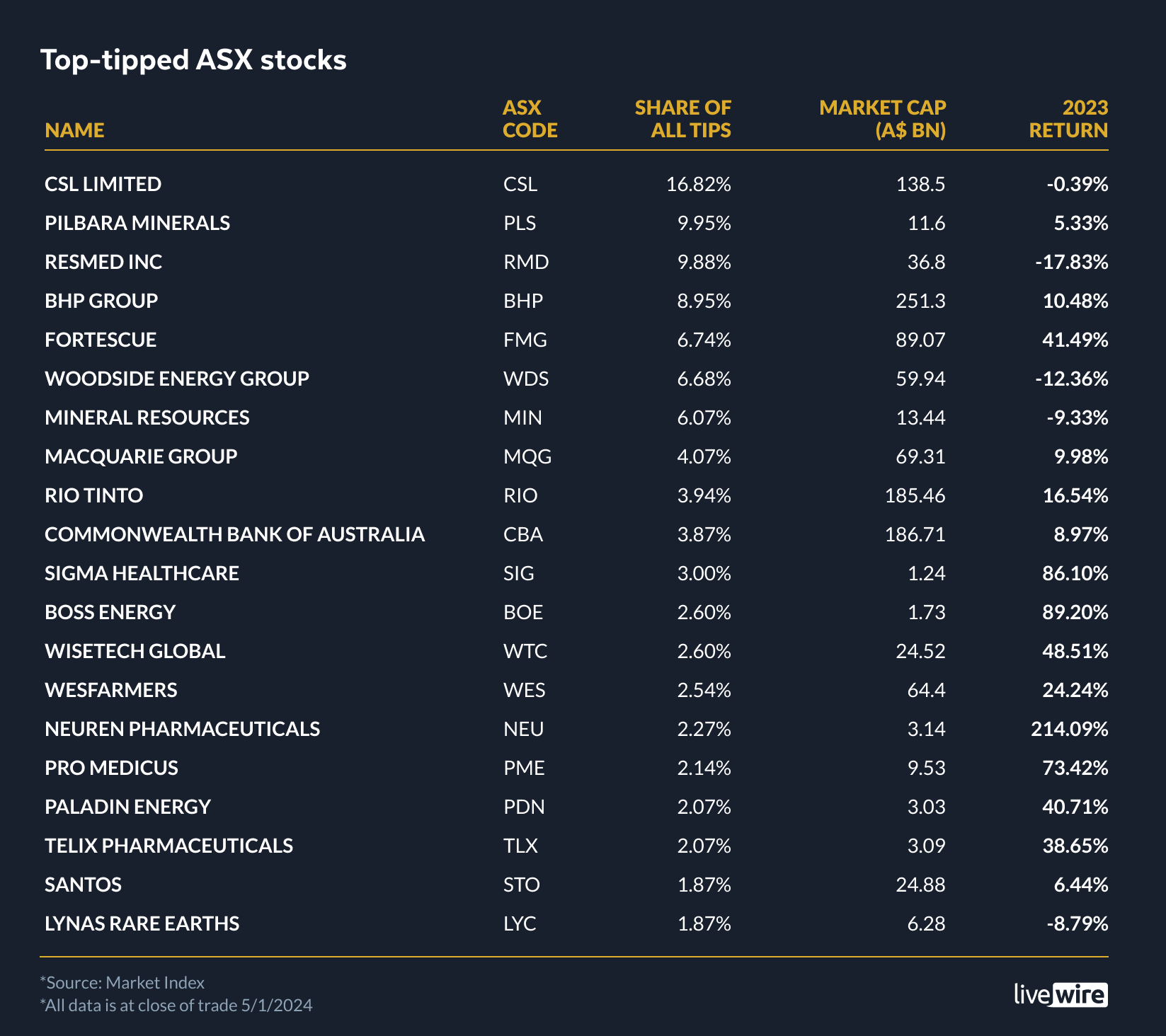
Top AI Stocks To Invest In 2026 Expert Picks For Long Term Growth And Image 1536x1536 . Top 10 Stocks That Could Explode In 2026 Expert Picks Top Stocks 2026 Market Analysis With Growth Charts. 2026 Stock Market Prediction What Analysts And Macros Are Signaling 2026 Stock Market Prediction . Best Stocks For Investment 2026 Top Picks Analysis Best Stocks For. The 20 Most Tipped ASX Stocks For 2024 Chris Conway Livewire OS24 InlineTable V3

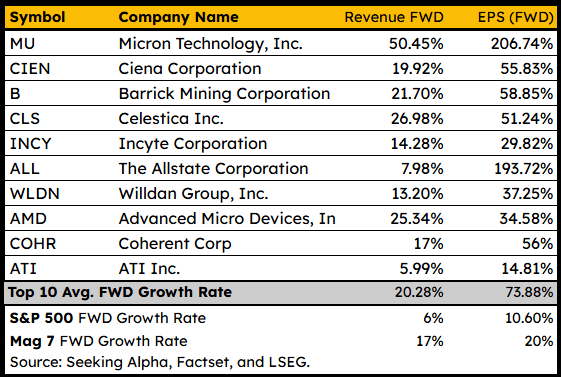

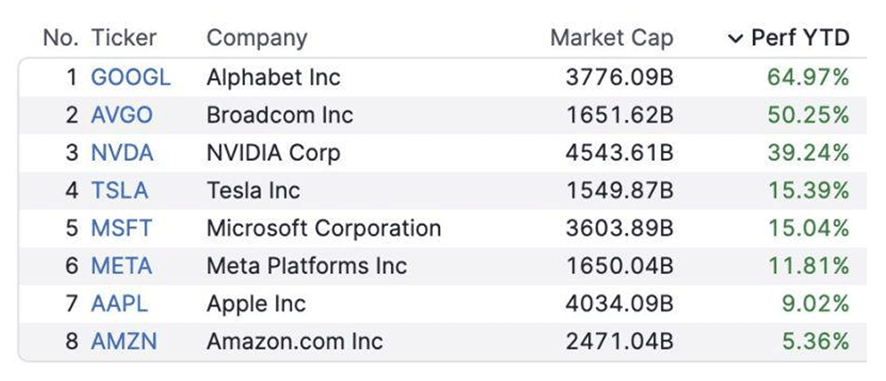

Top 5 AI Stocks To Watch In 2026 FP Markets Bahrain Top Ai Stocks2026 . Top 10 Stocks For 2026 Seeking Alpha 50113560 . Top AI Stocks Set To Dominate 2026 Top Ai Stocks Set To Dominate 2026 . My 10 Recommended Stocks For 2026 Seeking Alpha 59387725 Origin . Unlock Massive Growth Top 2 Magnificent Seven Stocks To Invest In



Top 10 Stocks For 2025 Expert Analysis Free Stock List Investing Com Top 10 Stocks For 2025 . The Most Anticipated Games Of 2026 That Gamers Can T Wait For ZCr Dito 20250822 Most Anticipated Games Of 2026 . The 94 Most Exciting Games Of 2026 Eurogamer Net 2026 Best . 5 Best Gaming Stocks To Buy In 2022 YouTube . Best Gaming Stocks To Buy In India In 2026 Best Gaming Stocks In India





2026 Upcoming Games And Game Release Dates Guide 2026 Upcoming Games Release Dates . 20 Most Anticipated Video Games Of 2026 Page 18 1200x675 . Every Major Game Releasing In January 2026 Gaming Amigos F95046. Best Penny Stocks 2026 Predictions And Best Penny Stocks 2026 Title.webp. The Best Cheap Gaming Laptops For 2026 Tested For Gaming Top 3 Gaming Laptops Of 2026 - The Ultimate Guide



Best Gaming Laptops At CES 2026 RTX 5090 Options Dual Screen Picks Lenovo Legion Pro Rollable Concept. Top AI Stocks 2026 9 Powerful Predictions For Smart Investors Magnificent 7 Ai Stocks 2026.webp. Best Gaming Stocks In India 2026 Top Picks Analysis Gaming Stocks 1024x683 . Memory Stocks In 2026 What S Driving The Rally U.S. Memory Stocks At A Glance 2048x1540 . Top 5 Gaming Stocks In India Goodwill S Blog Top Gaming Stocks 1170x752