Understanding the Roblox age range is crucial for parents and guardians navigating this expansive virtual universe. Roblox is a global platform enjoyed by millions, offering a vast array of user-created games and experiences suitable for various ages. This comprehensive guide delves into Roblox's official age recommendations, parental control features, and content moderation systems designed to ensure a safer environment for younger players. We will explore how Roblox implements its ESRB rating and how families can utilize built-in tools to customize their children's online experience, from managing chat settings to restricting access to specific types of content. Discover why Roblox appeals to a wide demographic and learn practical tips to help your child enjoy the platform responsibly and securely. This information aims to empower you with the knowledge to make informed decisions about your child's engagement with Roblox in the current digital landscape.
Welcome to the ultimate living FAQ about the Roblox age range, updated for the current year! Navigating the world of Roblox with your kids can sometimes feel like trying to understand a new language. You want them to have fun, but you also need to ensure their safety and the appropriateness of their online environment. We get it! This comprehensive guide is designed to answer all your burning questions about Roblox's age recommendations, safety features, and how you can best manage your child's experience. From beginner questions about official ratings to advanced tips on parental controls and content moderation, we've got you covered. Consider this your go-to resource for making informed decisions and fostering a positive, secure Roblox adventure for your family. Let's dive into these insights and help you become a Roblox age range expert.
Most Asked Questions about Roblox Age Range
What is the official recommended age for Roblox?
Roblox itself is rated E10+ by the ESRB, meaning suitable for ages 10 and up due to fantasy violence. However, Roblox recommends a minimum age of 13 for full platform features, while younger users (8-12) have restricted chat and content by default. Individual experiences within Roblox also have specific age recommendations determined by creators and reviewed by Roblox, ranging from All Ages to 17+.
How do Roblox parental controls work to ensure child safety?
Roblox parental controls, found in account settings, allow guardians to manage their child's online experience comprehensively. Parents can restrict chat to friends or disable it entirely, set monthly spending limits for Robux purchases, and filter accessible experiences by age recommendation. These tools help customize the platform to match specific family comfort levels and promote a safer gaming environment.
Is Roblox Safe Chat effective for young children?
Roblox's Safe Chat system is highly effective for young children, especially those under 13. It employs strict filtering, limiting communication to pre-approved phrases and blocking personal information or inappropriate language. While no system is entirely foolproof, this robust filter, combined with human moderation, significantly reduces risks, making conversations safer and more controlled for younger players.
What are Roblox's Community Standards and why are they important?
Roblox's Community Standards are a set of rules that all users and content creators must follow. They prohibit inappropriate content, harassment, hate speech, and other harmful behaviors. These standards are crucial because they establish a baseline for respectful interaction and appropriate content, helping to maintain a positive and safe environment across the platform. Violations lead to moderation action.
Can I restrict specific games or experiences on Roblox for my child?
Yes, you can restrict specific games or experiences on Roblox. Through the parental controls in account settings, you can enable Account Restrictions. This feature limits your child's access to only a curated list of experiences that Roblox has verified as appropriate for a designated age range, often 'All Ages' or '9+'. This provides a powerful way to control content exposure effectively.
How does Roblox handle privacy settings for younger users?
Roblox prioritizes privacy for younger users by setting default strict privacy settings for accounts associated with players under 13. This includes limiting who can chat with them, who can send them friend requests, and who can join them in games. Parents can further customize these settings within the parental control dashboard, providing granular control over their child's online interactions and visibility.
What should I do if my child encounters inappropriate content on Roblox?
If your child encounters inappropriate content on Roblox, the first step is to use the 'Report Abuse' feature within the game or on the Roblox website. This sends a direct alert to Roblox's moderation team for review and action. Additionally, speak with your child about what they saw and reassure them. You can also adjust your parental control settings to further restrict content access.
Tips for Parents: Managing Screen Time on Roblox
Managing screen time on Roblox is essential for healthy digital habits. Utilize device-level controls provided by your operating system (e.g., Apple's Screen Time, Google's Family Link) or router settings to set time limits. Establish clear family rules about when and for how long Roblox can be played. Encourage breaks and other activities. Open communication with your child about balance is always key for effective screen time management.
Guide to Roblox Account Security for Families
Securing your child's Roblox account is vital. Always enable Two-Step Verification (2SV) to add an extra layer of protection, requiring a code in addition to the password. Teach your child about strong, unique passwords and the importance of never sharing login details. Regularly check account activity and ensure your child understands phishing scams. Keeping software updated also enhances overall security.
How to Report Bugs or Issues on the Roblox Platform
If you encounter bugs or technical issues on the Roblox platform, you can report them through the official Roblox Support page. Look for the 'Report a Bug' or 'Contact Us' option. Provide clear details about the issue, including when and where it occurred, and any error messages received. This helps Roblox developers identify and fix problems, improving the platform's stability and user experience for everyone.
Still have questions? Check out Roblox's official Parent's Guide or explore more in-depth articles on online gaming safety from trusted resources.
Ever wondered, what exactly is the ideal Roblox age range for my child? It is a question that many parents ponder. Roblox, a true digital playground, welcomes players from various age groups. However, understanding its nuanced age recommendations and safety features is absolutely key. This guide will walk you through everything you need to know about navigating Roblox safely and enjoyably.
We will delve into the official guidelines, explore robust parental controls, and discuss why Roblox manages to captivate such a broad audience. Our goal is to equip you with the knowledge to make informed decisions for your family. Let us jump right in and uncover the layers of Roblox's age range considerations.
Roblox parental controls are absolutely essential for parents. They empower you to tailor your child's experience on the platform. These controls allow you to restrict chat, set spending limits, and filter mature content. This is why understanding their function is so important for digital parenting and ensuring a suitable environment.
Effective Roblox content filtering systems work tirelessly behind the scenes. They prevent inappropriate content from reaching younger eyes. How this technology operates involves advanced algorithms and human moderation teams. Is it foolproof? No system is, but Roblox continuously updates its filters and policies for enhanced safety. The continuous updates help keep the platform secure.
Roblox online safety remains a paramount concern for everyone involved. The platform dedicates significant resources to ensuring a secure environment. Users themselves play a vital role in maintaining this safety culture. Knowing how to report issues is a key part of protecting yourself and others while exploring the vast Roblox universe.
Beginner / Core Concepts
- Q: What is the official recommended age for playing Roblox, according to experts and its own ratings?
A: I get why this confuses so many people, because while Roblox is generally rated E10+ by the ESRB (meaning suitable for ages 10 and up), its platform allows for user-generated content that varies wildly. So, a crisp direct answer is: Roblox recommends a minimum age of 13 for full feature access, while younger children (ages 8-12) can play with restricted chat and content. The ESRB rating of E10+ applies to the core Roblox application. This means the overall experience is considered appropriate for children 10 years and older due to fantasy violence and mild suggestive themes. However, it's important to remember that individual games, or experiences as they're called, within Roblox can have their own age recommendations. These in-experience ratings are often determined by the developers themselves, though Roblox does have systems in place to review and categorize them. Many parents appreciate knowing this distinction; it truly helps in making informed decisions for their kids. You're essentially managing a storefront of games, each with potential variations in content suitability. It's not a one-size-fits-all situation, and that's okay. Just be aware that some experiences might be more intense than others, even within the E10+ framework. You've got this! - Q: How do Roblox's parental control features actually help in managing what my child can access or see?
A: This one used to trip me up too, but once you dive in, you'll see how powerful these tools are for shaping your child's digital world on Roblox. Roblox's parental controls are robust settings found within the account settings, designed to give guardians significant oversight and management capabilities. They allow you to restrict chat communication, ensuring your child only interacts with approved friends or no one at all. You can also set spending limits for Robux, preventing unexpected charges. Furthermore, an Account Restrictions feature lets you limit access to only age-appropriate experiences, filtering out content marked for older players. For example, if your child is under 13, their account automatically defaults to enhanced safety settings, including restricted chat and a curated list of experiences. Parents can further customize these settings, adjusting who their child can communicate with, what types of games they can play, and how much they can spend. It truly puts the control in your hands. This layered approach means you can tailor the Roblox experience to match your family's specific comfort levels. It’s a game-changer for digital peace of mind. Try setting these up tonight and see the difference! - Q: Is the chat feature on Roblox safe for younger children, and how does it prevent inappropriate conversations?
A: I totally understand why chat safety is a big concern for parents, it's one of the first things we think about! Roblox has implemented a sophisticated Safe Chat system that utilizes advanced filtering technology to automatically block inappropriate words, phrases, and personal information. For users under 13, this filtering is significantly more stringent, allowing communication only through pre-approved words and phrases, often chosen from a whitelist. They literally can't type anything outside of approved terms. For users 13 and older, the filter is still active but allows a broader range of vocabulary, though still blocking profanity, hate speech, and attempts to share private data. Roblox also employs human moderators who review reported conversations and user profiles, adding another layer of security. This dual approach of AI filtering and human moderation aims to catch anything that slips through the cracks. It's a continuous effort to keep the conversations positive and safe for everyone on the platform. Remember, no system is perfect, but Roblox is constantly refining its approach to digital communication. - Q: What are the primary differences between an account for a player under 13 and one for a player aged 13 or older on Roblox?
A: This distinction is super important and it really boils down to communication and content access, which is something I wish more platforms clarified! When a child registers on Roblox and provides a birthdate indicating they are under 13, their account automatically activates enhanced safety features. The most notable difference is the chat system; younger users primarily interact through a highly restricted Safe Chat, limiting communication to pre-approved phrases and blocking attempts to share personal information. Their profiles are also more private, making it harder for strangers to find them. For players aged 13 and older, the chat filters are still in place, but they are less restrictive, allowing a wider range of vocabulary. Additionally, older users have more options for privacy settings, though they can still be limited. Crucially, the content recommendations also differ. Under-13 accounts are steered towards experiences that Roblox deems appropriate for younger audiences, while older users might see a broader array of user-generated content, including some with more mature themes (though still within Roblox's overall E10+ guidelines). It's all about balancing freedom with safety as kids grow.
Intermediate / Practical & Production
- Q: How effective are Roblox's content moderation and reporting systems in preventing harmful or inappropriate experiences?
A: I totally get why you'd be curious about this; it's the backbone of a safe online environment, right? Roblox has a multi-layered approach to content moderation, which frankly, is pretty extensive for a user-generated content platform. They combine automated systems with a large team of human moderators who work around the clock. The automated systems scan for inappropriate text, images, and audio before they even appear on the platform, acting as a critical first line of defense. However, because new content is constantly being uploaded, these systems aren't always perfect. That's where the robust reporting system comes in. Any user can report an inappropriate experience, item, or behavior directly within the game or on the website. These reports are then reviewed by human moderators who take action based on Roblox's Community Standards. While it's a huge undertaking for a platform of its size, Roblox continuously invests in improving these systems, often updating its algorithms and training its moderation teams. It’s a bit like a digital neighborhood watch, where everyone plays a part in keeping it clean. Keep reporting anything you see that feels off; every report helps! - Q: What are 'Age Recommendations' within individual Roblox experiences, and how reliable are they for parents?
A: This is a super important point because the overall ESRB rating only tells part of the story, doesn't it? Roblox now features Age Recommendations directly within individual experiences, ranging from All Ages to 17+. These ratings are determined by the experience creators themselves and are based on a set of content guidelines provided by Roblox. The categories consider factors like violence, blood, language, and the presence of themes like gambling or crude humor. While these self-reported ratings offer a quick glance at an experience's suitability, Roblox does conduct reviews to ensure accuracy. However, like any self-reporting system, there can be discrepancies or subjective interpretations. Parents should treat these as helpful guides rather than absolute guarantees. It’s always a good idea to play an experience yourself first or read reviews from other parents if you're concerned. Think of it as a movie rating: it gives you a good idea, but personal judgment is always best. It's a fantastic step towards transparency, but a little parental due diligence goes a long way. - Q: Beyond basic parental controls, what advanced tips can parents use to further enhance their child's safety on Roblox?
A: You're thinking ahead, and that's fantastic! Basic controls are great, but truly proactive parenting involves a few extra steps. Beyond the standard parental controls, consider enabling Two-Step Verification (2SV) on your child's Roblox account. This adds an extra layer of security, making it much harder for unauthorized access, even if someone gets their password. Next, regularly review your child's 'Friends' list. Encourage them to only accept requests from people they know in real life. Also, teach your child about digital citizenship: discuss what personal information should never be shared online, and emphasize the importance of reporting anything that makes them uncomfortable. You can also explore third-party tools or browser extensions that offer additional filtering or time management features, though always research these thoroughly. A great practical tip is to create a 'family play' session where you join your child in their favorite Roblox experience. This gives you direct insight into the content and interactions they're exposed to. Open communication is your best tool here; make sure your child feels comfortable coming to you with any concerns. You've got this, champion parent! - Q: How does Roblox balance the freedom of user-generated content with the need for a safe environment for all ages?
A: Ah, the age-old dilemma of any platform hosting user-generated content, right? It's a tightrope walk, and Roblox is constantly refining its balancing act. The platform's core philosophy is to empower creators while ensuring a broadly safe environment. They achieve this through a combination of strict Community Standards, which all content must adhere to, and the aforementioned moderation systems (AI and human). Creators are given tools and guidelines to build experiences, but these creations are subject to review. If content violates policies, it can be removed, and creators may face penalties. For example, any content depicting illegal activities, extreme gore, or hate speech is strictly prohibited, regardless of its age rating. The introduction of Age Recommendations for individual experiences is another crucial step, allowing users and parents to filter content more effectively. It means they're not trying to make every single experience suitable for a five-year-old, but rather providing tools for *you* to curate the experience for your child. It's a living ecosystem where both creators and Roblox itself share the responsibility. It's a tough job, but they're always working to improve. - Q: What should parents look for in Roblox games (experiences) to determine if they are truly age-appropriate?
A: This is where your super-parent detective skills come in handy! Beyond just glancing at the official age recommendations, there are several practical things you can actively observe to truly gauge an experience's suitability. First, watch for the **game's visuals and themes**. Does it look overly violent or graphically intense? Does it deal with complex or mature topics? Second, **pay attention to the chat** within the game. Even with filters, the general tone and topics of conversation can tell you a lot. Is it positive, or are players using slang or language you're uncomfortable with? Third, **check the game description and developer information**. Does the description clearly state its content and intentions? Is the developer reputable? Finally, and perhaps most importantly, **play the game yourself for a few minutes** or watch your child play. This direct observation is invaluable. You'll get a real feel for the gameplay, interactions, and potential risks. Don't be afraid to be hands-on; it's the best way to ensure peace of mind. - Q: How does the new Experience Guidelines system on Roblox differ from previous age rating methods?
A: That's an excellent question, especially with how quickly digital platforms evolve! The new Experience Guidelines system is a significant upgrade from previous, more generalized age rating methods, giving parents and players much more granular information. Previously, much of the age suitability relied heavily on the ESRB rating for the overall Roblox platform and less on individual user-generated experiences. The new system requires creators to answer a detailed questionnaire about their experience's content (violence, language, thematic elements, etc.). Based on these answers, an Age Recommendation (e.g., All Ages, 9+, 13+, 17+) is generated, along with content descriptors (e.g., 'Mild Fantasy Violence', 'Strong Language'). This is a game-changer because it provides transparency on a per-experience basis. This makes it far easier for parents to filter content for their children using the Account Restrictions feature, ensuring their kids only see content within specific age groups. It empowers you to make highly informed choices about what your child plays, moving beyond a broad platform rating to specific game insights. It's a fantastic step towards a more transparent and safer platform.
Advanced / Research & Frontier
- Q: What are the challenges Roblox faces in maintaining age-appropriate content given its user-generated nature and global reach?
A: This is truly a complex question that hits at the heart of modern digital platforms, isn't it? Roblox faces immense challenges in maintaining age-appropriate content precisely because of its user-generated content (UGC) model and massive global scale. Imagine millions of creators, speaking dozens of languages, uploading new experiences and assets every minute! The sheer volume makes comprehensive human review impossible, so they heavily rely on AI and automation. However, AI can struggle with nuance, cultural context, and rapidly evolving slang or visual trends that might indicate inappropriate content. Additionally, different countries and cultures have varying definitions of 'age-appropriate,' making a universal standard difficult to enforce uniformly. The platform must also combat bad actors who intentionally try to circumvent filters. This ongoing 'arms race' against malicious content requires constant innovation in moderation technology and policy. It's a continuous, dynamic battle, and they're always working on new strategies to stay ahead. - Q: How do emerging technologies like AI and machine learning impact Roblox's ability to identify and filter age-inappropriate content?
A: You're touching on the bleeding edge of content moderation here, and it's fascinating! AI and machine learning (ML) are absolutely central to Roblox's strategy for identifying and filtering age-inappropriate content, particularly given the platform's enormous scale. These technologies allow Roblox to process vast amounts of user-generated content—images, text, audio, and even 3D models—at speeds and volumes impossible for humans alone. AI models are trained on massive datasets to recognize patterns associated with harmful content, like specific keywords, visual cues, or audio signatures. This enables proactive filtering, catching potential violations *before* they go live. For instance, ML can detect subtle variations of inappropriate images or language, adapting as bad actors try to bypass systems. While AI isn't perfect and sometimes makes mistakes, it significantly augments human moderators, allowing them to focus on more complex or nuanced cases. The continuous improvement of these algorithms means Roblox's defenses are constantly evolving, getting smarter and faster. It's a powerful tool in the ongoing fight for digital safety. - Q: What role does the community play in self-regulation and ensuring content remains suitable for diverse age ranges on Roblox?
A: This is a crucial, often underestimated aspect of platform safety – the power of the community itself! While Roblox provides the tools and guidelines, the vast user base plays a significant role in self-regulation. The 'Report Abuse' feature is incredibly powerful, allowing any player to flag content, experiences, or behaviors that violate the Community Standards. These reports go directly to Roblox's moderation team for review. This distributed vigilance means that millions of eyes are effectively acting as extra monitors, significantly increasing the chances that inappropriate content is identified quickly. Furthermore, many creators actively foster positive communities around their experiences, setting their own rules and moderating their in-game chat. Some developers even create 'safe zones' or design their games specifically for younger audiences. This collective effort, from reporting users to responsible creators, creates a shared responsibility for a positive environment. It's a powerful example of how a large, engaged community can contribute to a safer online space for everyone. - Q: Can Roblox's age-gating and content filters ever be truly foolproof, or should parents always assume a degree of risk?
A: That's the million-dollar question for any online platform, isn't it? While Roblox's age-gating and content filters are incredibly sophisticated and constantly improving, it's a critical reality check to understand that no online safety system, anywhere, can be absolutely 100% foolproof. The digital landscape is dynamic, with bad actors constantly devising new ways to bypass protections. User-generated content inherently introduces a degree of variability and unpredictability. Things can slip through filters, new slang can emerge, or malicious users can find clever workarounds. Therefore, parents should always assume a *degree of risk* and adopt a layered approach to online safety. This means not just relying on the platform's features but also actively engaging in digital parenting: maintaining open communication with your child, teaching them about online safety, setting up device-level controls, and periodically monitoring their activities. It's about mitigating risk as much as possible, rather than seeking an unattainable perfect shield. A healthy dose of parental involvement remains the ultimate safeguard. - Q: How does Roblox's approach to age verification and content ratings compare to other major online gaming platforms?
A: That's a super insightful question that highlights industry best practices! Roblox's approach to age verification and content ratings is actually quite robust when compared to many other major online gaming platforms, especially considering its user-generated content model. Unlike many traditional gaming platforms that primarily rely on ESRB (or equivalent) ratings for *their own* developed games, Roblox has had to innovate for its UGC. Its new Experience Guidelines, requiring creators to rate their content, and the subsequent implementation of age recommendations (All Ages to 17+) for individual experiences, place it ahead of platforms that offer less granular content filtering. For example, YouTube, another UGC platform, also struggles with age-appropriate content, and while it has restrictions, Roblox's integrated parental controls within the game client are often more comprehensive. Compared to platforms like Minecraft, which also has a large UGC component, Roblox's explicit age-gating features for chat and content access offer a more structured approach to managing younger users. It's a continuous evolution for all platforms, but Roblox's commitment to these specialized tools is a standout.
Quick Human-Friendly Cheat-Sheet for This Topic
- Roblox's Official Stance: The platform itself is rated E10+ by ESRB, but recommends 13+ for full feature access.
- Parental Controls Are Your Best Friend: Use them! Restrict chat, set spending limits, and filter experiences by age.
- Understand Experience Guidelines: Each game has its own rating (All Ages, 9+, 13+, 17+) and content descriptors.
- Talk to Your Kids: Open communication about online safety and what to do if they see something uncomfortable is paramount.
- Enable Two-Step Verification: Add an extra layer of security to prevent unauthorized account access.
- Preview Games Yourself: Before letting your child play, jump in for a few minutes to see if it's truly suitable.
- No System is Perfect: Stay vigilant, combine Roblox's tools with your own family rules and oversight.
Roblox age recommendations, ESRB rating system, parental control features, safe chat options, content moderation, community guidelines, account security, age-appropriate experiences, digital parenting tips.
35

Roblox S New Chat Rules Explained January 2026 Roblox New Chat Rules . A New Era Of Safety Facial Age Checks Now Required To Chat On Roblox. What Developers Need To Know About Roblox In 2025 Roblox 16 9 2 1024x576 . Starting Today Completing An Age Check Or ID Is Now G . What Is The Roblox ESRB Rating For Young Gamers And Parents


Roblox Whats The Right Age To Start Playing Screen Shot 2022 08 23 At 10.55.11 AM . Roblox Age Chat March 2026 KreekCraft S Warning Roblox Age Chat . Roblox Steps Up Age Checks And Groups Younger Users Into Age Based Chats Poster . How To Set Age Guidelines On Your Roblox Game 2026 Tutorial YouTube . Roblox Age 2026 Slide 1822


Roblox Player Average Age Kh M Ph Tu I Ng I Ch I Roblox V Nh Ng Roblox Games Users Global Age . Roblox Age Rating Canada . What You Should Know Roblox Gets Age Based Accounts Expanded Roblox Accounts Table . Roblox Player Average Age Kh M Ph Tu I Ng I Ch I Roblox V Nh Ng Roblox Engagement Hours . Roblox Age Chat Changes KreekCraft Reacts March 2026 Roblox Age Chat Changes


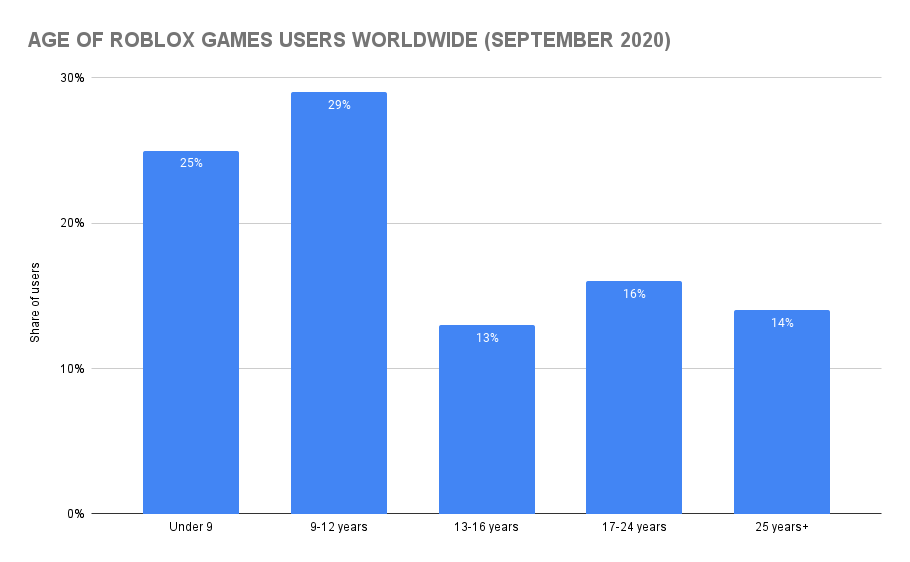
How To Change Age Group On Roblox In 2026 Update YouTube . Roblox Shows Strong Growth Among Children Below Age 14 Roblox Player 288879 . 2026 Parental Guide For Roblox Usage UnicMinds 2026 Parental Guide For Roblox Usage UnicMinds 600x602 . Exploring Meaxico Roblox Fun What Awaits You In 2026 Oar2 . Roblox Whats The Right Age To Start Playing Age Of Roblox Games Users Worldwide


How To Change Your Age On Roblox After The Chat Update Change Your Age On Roblox After The Chat Update . Roblox Takes It S Age Globally After Successful Australian Age Based Chat Elisa 02 . Ultimate Roblox Age Guide March 2026 Safety First Roblox Age Guide 768x512 . Roblox Introduces New Age Based Accounts And Expanded Parental Controls. Roblox Adds Global Age Roblox Now Mandates Facial Age Checks To Chat.webp

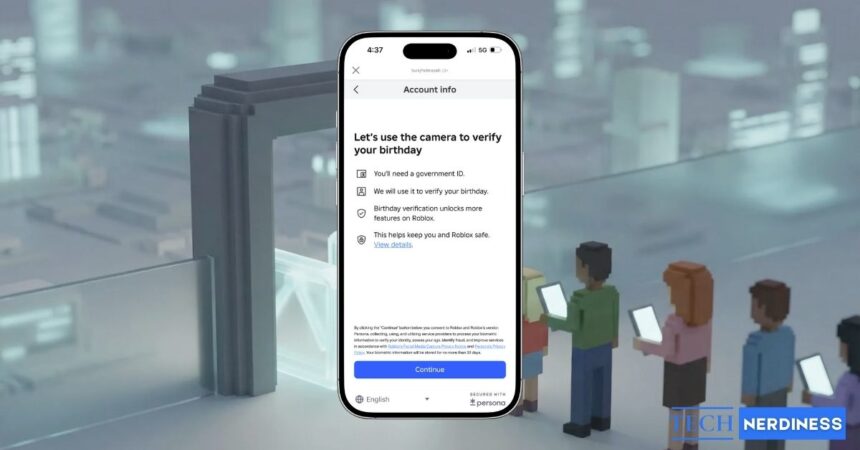

Roblox Age Ratings Explained For Parents MadeForMums Bf22695 . Roblox At GDC 2026 Where To Find Us All Week Roblox. How To Verify Your Age And ID On Roblox In 2026 Guide Tech Nerdiness How To Verify Your Age And ID On Roblox 860x450 . Roblox Requires Age Checks For Ushering In New Safety. How To Change Your AGE On Roblox 2026 Informinc How To Change Your AGE On Roblox


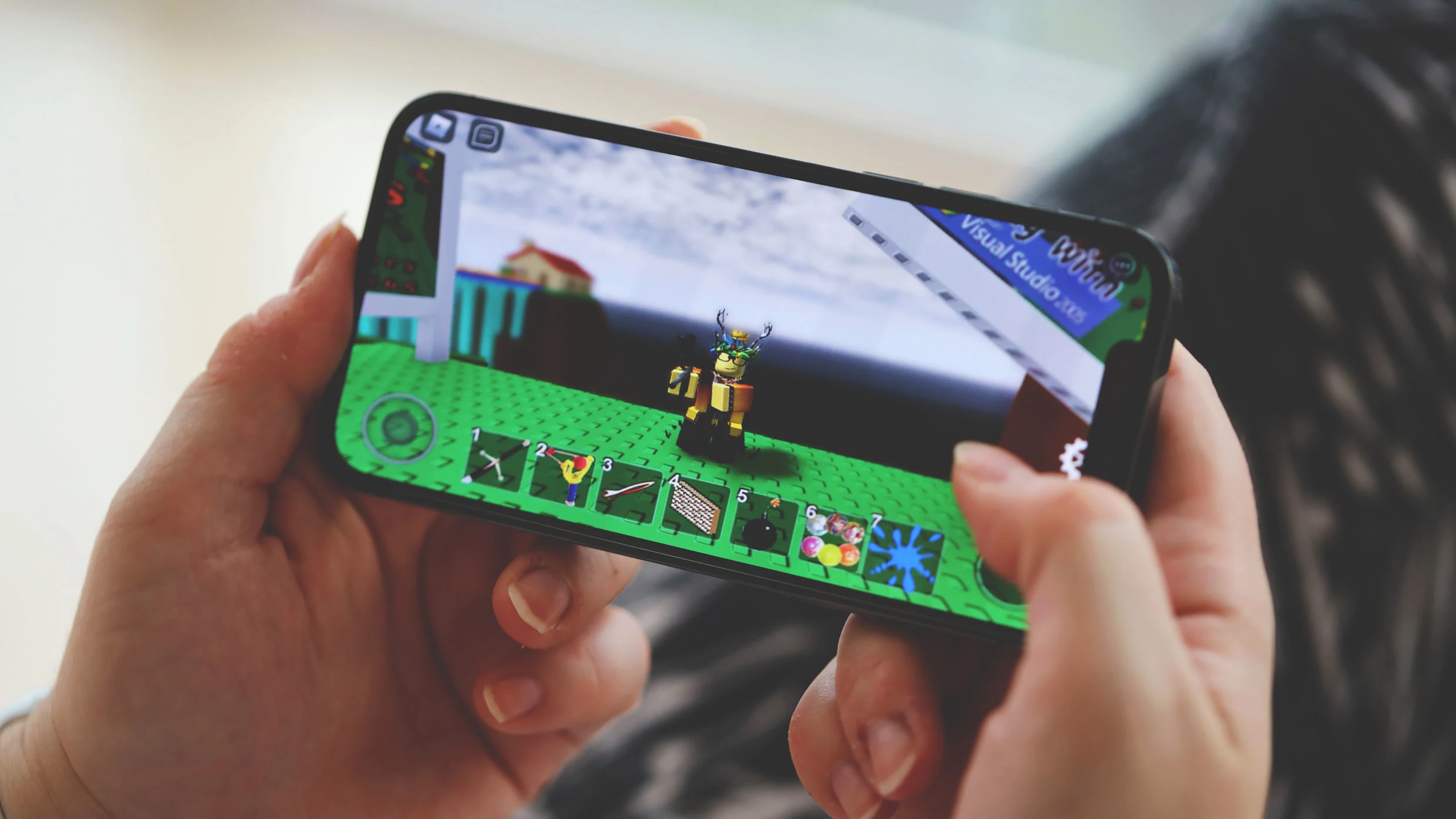
Roblox Chats Will Now Require Mandatory Age Estimation Mashable Hero . Roblox Introduces Age New Teen Safety Tools IPhone In Roblox Age . The Evolution Of Roblox For 20 Years 2006 2024 YouTube . Moving Beyond Self Reported Age Roblox. Roblox Launches AI Based Age System Fast Company P 1 91445273 Roblox Age Ai Lawsuit