Unlock the secrets to creating captivating Roblox retro fly animations that will make your game stand out and engage players for longer. This comprehensive guide navigates through the essential steps from understanding animation principles to implementing complex flight mechanics within Roblox Studio. Discover how to blend nostalgia with modern smooth gameplay ensuring your creations resonate with a broad audience including those busy gamers balancing life and play. Learn about optimizing performance troubleshooting common issues and leveraging community resources to elevate your animation skills. Dive deep into character rigging keyframe animation and scripting for dynamic flight paths. We cover everything you need to know to transform basic movements into iconic retro flight sequences making your Roblox experience truly unforgettable and highly shareable. Elevate your game development journey and attract more players with professional grade animations that evoke classic gaming vibes.
What is Roblox Retro Fly Animation?
Roblox Retro Fly Animation refers to custom character flight movements within Roblox games that deliberately evoke the aesthetic and feel of classic video games. This isn't just basic flight; it involves carefully designed keyframe animations and precise scripting to give characters a distinct, often exaggerated yet smooth, flying style reminiscent of older console or arcade titles. It's about blending nostalgia with responsive gameplay, making the flight experience memorable and unique.
How Do I Animate a Character to Fly in Roblox Studio?
To animate a character for retro flight in Roblox Studio, you'll first need a properly rigged character model. Open the Animation Editor, select your character, and create a new animation. Keyframe different poses for idle flight, ascending, descending, and potentially banking. Focus on smooth transitions between keyframes. Once satisfied, save and export the animation to get its ID, which you'll use in your scripts to play the animation based on player input and movement.
What Scripting Languages Are Used for Roblox Fly Animations?
Roblox uses Lua as its primary scripting language. For fly animations, you'll typically write scripts in Lua (specifically Luau, Roblox's optimized version) to handle player input, control character physics (like velocity and CFrame), and trigger the appropriate animations. This involves using `LocalScripts` for client-side input detection and animation playback, often communicating with `ServerScripts` for critical game logic and physics updates.
Can I Create a Realistic Physics-Based Retro Fly Animation?
Yes, you can create a physics-based retro fly animation in Roblox. While 'retro' often implies simplified mechanics, you can integrate realistic elements like gravity, drag, and lift using Roblox's physics engine. Objects like `BodyVelocity`, `LinearVelocity`, and `BodyAngularVelocity` allow for precise control over a character's movement and rotation, making flight feel more grounded in physics while maintaining a retro-inspired visual style. Balancing realism with arcade-like fun is key.
What are the Best Practices for Optimizing Roblox Fly Animations for Performance?
Optimizing fly animations is crucial, especially for busy gamers who value efficiency. Best practices include minimizing the number of keyframes, reusing animation assets, and ensuring scripts are efficient. Use `Lerp` for smooth transitions instead of abrupt changes. Avoid unnecessary physics calculations on the server by handling client-side inputs and animating locally when possible. Keep character mesh complexity low, and limit particle effects to prevent lag, ensuring a smooth experience across various devices including mobile.
How Can I Add Special Effects to My Retro Fly Animation?
Special effects significantly enhance retro fly animations. You can add particle effects (e.g., engine trails, wind swirls, magical glows) using Roblox Studio's `ParticleEmitter`. Sound effects (whooshes, propulsion sounds) using `Sound` objects add auditory feedback. Visual trails can be created with `Beam` objects. Combining these elements provides immersive sensory feedback, making the flight feel more impactful and visually appealing, consistent with classic game design principles that used limited assets creatively.
Where Can I Find Inspiration for Unique Retro Fly Animation Styles?
Inspiration for unique retro fly animations can come from many sources beyond just Roblox. Look at classic platformers like Super Mario 64, Banjo Kazooie, or even old arcade shoot-em-ups for character movement and visual cues. Study animations from 2D pixel art games to understand exaggerated movements. Watch modern indie games that intentionally use retro aesthetics. Additionally, explore the Roblox Creator Marketplace and DevForum for examples and discussions on unique animation styles within the platform itself.
Are you a dedicated gamer, perhaps balancing a career and family, who still cherishes those moments of pure escapism and creativity in games like Roblox? We understand that finding time to truly dive deep into game development can be a challenge. You want to build something amazing, something that stands out, but without getting bogged down in endless technical hurdles or trendy fads that quickly fade. Imagine creating a Roblox game where your characters soar through the skies with that iconic, charmingly nostalgic retro fly animation. Not the clunky, basic flight you often see, but something genuinely smooth, responsive, and visually appealing, reminiscent of classic gaming experiences. This isn't just about making a character move; it's about crafting an immersive experience that players will remember and share, appealing to that desire for relaxation, fun, and perhaps even a touch of skill-building.
Many gamers, especially those around 36 years old and making up about 60% of the gaming demographic, value performance optimization and creating something genuinely cool without the usual hype. They want practical solutions that work. This guide is designed for you. We're going to demystify the process of developing a stunning Roblox retro fly animation, from the foundational steps in Roblox Studio to advanced scripting techniques. You'll learn how to overcome common pain points like jerky movements, setup issues, and performance bottlenecks, transforming your creative vision into a playable reality. By the end, you'll have the knowledge to implement a truly engaging flight system, making your game a memorable experience for players who appreciate quality and a touch of the past.
What Defines a 'Retro Fly Animation' in Roblox?
A 'retro fly animation' in Roblox goes beyond simple up and down movement; it captures the essence of classic gaming flight mechanics with a modern polish. Think smooth, perhaps slightly exaggerated movements, distinctive idle poses, and clear, impactful transitions that harken back to arcade games or early 3D platformers. It often involves a combination of custom character rigging, precise keyframe animation, and intelligent scripting to control speed, direction, and special effects. The goal is to evoke nostalgia while ensuring the animation feels responsive and fun by today's standards. It's about blending the charm of the past with the smooth performance players expect, ensuring it's not just functional but truly engaging.
Why Should I Invest Time in Custom Retro Fly Animations for My Roblox Game?
In a crowded market of millions of Roblox experiences, unique and polished animations are crucial for standing out. Gamers are constantly looking for new and engaging content; recent US gaming stats show 87% of gamers play regularly, often for 10+ hours a week, and they crave fresh, high-quality experiences. Custom retro fly animations offer several benefits:
- Player Engagement: Unique flight makes your game more memorable and enjoyable, increasing retention.
- Visual Appeal: High-quality animations enhance your game's overall aesthetic, signaling professionalism.
- Branding: A distinct animation style can become a signature element of your game, building a stronger brand identity.
- Monetization Potential: Polished experiences often translate into higher player satisfaction and willingness to engage with in-game purchases.
- Social Sharing: Cool, well-executed flight mechanics are prime content for social media and streamer showcases, driving organic growth.
It's an investment that pays dividends in player satisfaction and game visibility.
How Do I Start Creating a Roblox Retro Fly Animation from Scratch?
Getting started with Roblox retro fly animation involves a few core steps, even for busy gamers. First, familiarize yourself with Roblox Studio's animation editor. This tool is your canvas. Begin by selecting your character model and ensuring it's properly rigged with a HumanoidRootPart and all necessary joints. Next, consider your animation style: will it be a continuous loop, or will you have distinct animations for ascending, descending, and idle flight? Start with the basic idle flight pose, then animate a gentle up-and-down motion. Focus on smooth transitions between keyframes to avoid jerky movements. You'll then export this basic animation, get its ID, and begin the scripting phase. Breaking it down into small, manageable parts makes the process less daunting.
What are the Key Animation Principles for a Smooth Retro Fly Effect?
Achieving a smooth retro fly effect in Roblox relies on classic animation principles adapted for the platform:
- Squash and Stretch: Subtle exaggeration of character form to convey speed, weight, and flexibility, even in a retro style.
- Anticipation: A small preparatory movement before a main action, like a slight crouch before liftoff, makes the action more believable.
- Follow Through and Overlap: Limbs or secondary elements continue to move after the main action stops, or move at different rates, adding realism and fluidity.
- Timing and Spacing: Crucial for conveying speed and weight. More frames closer together create slower, heavier movement; fewer frames spread out create faster, lighter movement.
- Arcs: Most natural movement follows an arc. Ensure your character's flight path and limb movements follow gentle curves rather than straight lines, which can appear stiff.
Applying these principles will significantly elevate your Roblox retro fly animation, making it feel more professional and engaging.
How Can Scripting Enhance My Roblox Retro Fly Animation's Responsiveness?
Scripting is where your retro fly animation truly comes alive, allowing for dynamic control and responsiveness. You'll typically use a LocalScript to detect player input (e.g., pressing the spacebar to ascend, holding shift to sprint). This script will then communicate with a ServerScript to update the character's velocity and play the appropriate animation. Important elements include:
- BodyVelocity/LinearVelocity: For controlled upward and forward movement.
- BodyAngularVelocity: For smooth turning or tilting during flight.
- Lerping (Linear Interpolation): To smoothly transition between different speeds, animations, or orientations, preventing abrupt changes.
- Input Handling: Efficiently capturing keyboard or gamepad inputs for precise control.
- State Management: Tracking if the player is currently flying, ascending, descending, or idle to trigger the correct animations and physics.
Well-implemented scripting ensures your retro fly animation isn't just visually appealing but also a joy to control, meeting the player's expectation for responsive gameplay.
What are Common Pitfalls in Roblox Retro Fly Animation and How to Avoid Them?
Even seasoned developers encounter hurdles. Here are common pitfalls and how to navigate them:
- Jerky Transitions: Often due to abrupt changes in animation states or lack of proper blending. Use `AnimationTrack:Play()` with a `fadeTime` and implement `Lerp` in your scripts for smooth transitions between speeds and orientations.
- Poor Performance: Overly complex animations or inefficient scripts can cause lag. Optimize by keeping keyframes minimal, reusing animation assets, and using efficient physics objects (e.g., `LinearVelocity` over constantly setting `CFrame`).
- Rigging Issues: Incorrectly rigged characters will animate strangely. Double-check all joints and attachments in Roblox Studio's Rig Editor. Ensure your character has a `HumanoidRootPart`.
- Sync Problems: Animations playing differently on client and server. Client-side input and animation triggering (LocalScript) is ideal for responsiveness, with server-side validation for critical game logic.
- Lack of Feedback: Players need visual and audio cues. Add particle effects (like dust trails), sound effects (whoosh, flutter), and UI elements to enhance the flight experience.
Addressing these issues early saves headaches and results in a much higher quality experience.
How Can I Test and Refine My Retro Fly Animation for Optimal Player Experience?
Testing is paramount. Don't just test once; iterate constantly. Here's a refined approach:
- Playtest Regularly: Use Roblox Studio's 'Play' or 'Run' functions. Test on different devices (PC, mobile, tablet) if your game targets cross-play.
- Gather Feedback: Share early versions with friends or a small group of trusted testers. Ask specific questions: Is it responsive? Is it smooth? Does it feel retro yet modern?
- Monitor Performance: Use Roblox Studio's built-in 'Developer Console' (F9) to check for script errors, network lag, and physics performance. Identify bottlenecks.
- Adjust Keyframes: Fine-tune the timing and spacing of your animation keyframes. Sometimes a single frame adjustment can make a huge difference.
- Refine Script Parameters: Experiment with `BodyVelocity` or `LinearVelocity` values, `Lerp` speeds, and input sensitivity to achieve the desired feel. Think about friction and air resistance in your mechanics.
Remember, a significant portion of US gamers are mobile users, so optimizing for touch controls and lower-end devices is crucial for broad appeal.
Are there Community Resources or Tutorials for Advanced Roblox Animation Techniques?
Absolutely! The Roblox developer community is incredibly vibrant and supportive. Here's where you can find more advanced insights:
- Roblox Developer Hub: The official documentation is a treasure trove of tutorials and API references. Search for 'Animation Editor,' 'Scripting Animations,' and 'Physics Control.'
- YouTube Channels: Many Roblox developers share advanced techniques. Look for channels specializing in scripting and animation. Search for 'Roblox advanced animation tutorial' or 'Roblox custom character controller.'
- DevForum: The Roblox Developer Forum is an active community where you can ask questions, find solutions, and share your work. Many experienced creators post tutorials and insights there.
- Discord Servers: Numerous community-run Discord servers focus on Roblox development. These can be great places for real-time help and networking.
- Open-Source Projects: Study open-source character controllers or animation systems shared on the DevForum or GitHub to see how experienced developers tackle complex problems.
Leveraging these resources can help you stay current without falling victim to hype, focusing on proven techniques and genuine skill-building.
Creating an outstanding Roblox retro fly animation might seem like a big undertaking, especially when you're juggling work, family, and a desire to relax with your hobbies. But by breaking it down into manageable steps, focusing on core animation principles, and leveraging smart scripting, you can craft an experience that truly elevates your game. Remember, the goal is not just to make something move, but to create a visually rich, responsive, and nostalgic flight system that genuinely delights players. Whether you're aiming for stress relief, social play, or just building cool skills, a well-executed retro fly animation checks all those boxes, making your game a memorable destination for the millions of gamers seeking quality entertainment. So, take these tips, experiment, and watch your characters soar.
What's your biggest gaming challenge when trying to implement complex features like custom animations? Comment below!
FAQ Section
Q: Can I use free models for retro fly animations?
A: While free models can be a starting point, they often lack optimization or unique styling. For a truly professional and custom retro fly animation, it's highly recommended to create your own or modify existing assets extensively to fit your specific vision and ensure performance.
Q: Is it hard to learn animation scripting in Roblox?
A: Learning animation scripting can be challenging initially, but Roblox Studio offers excellent documentation and a supportive community. Start with basic movement scripts, gradually integrate animation playing, and then move to more complex physics and input handling. Consistency is key, and many resources simplify the learning curve.
Q: How do I ensure my retro fly animation works on mobile devices?
A: To ensure mobile compatibility, optimize your animations for lower poly counts, use efficient scripting, and design touch-friendly controls. Test extensively on various mobile devices and consider simplified visual effects to maintain smooth performance on less powerful hardware. Remember mobile dominance in US gaming trends.
Q: What's the best way to get feedback on my animation?
A: Share your animation early and often! The Roblox Developer Forum and various Discord communities are excellent places. Ask specific questions: Is the flight smooth? Are controls intuitive? Does it evoke the retro feel? Constructive criticism is invaluable for refinement and making your game better.
Q: How can I make my retro fly animation feel unique?
A: Focus on distinctive poses, exaggerated movements, and unique sound effects. Consider adding custom particles or trails. Instead of just basic flight, think about a unique character 'flavor' for its flight, like a propeller backpack, wing flapping, or even a magical aura. Small details create a big impact.
Mastering Roblox Studio for retro fly animations, understanding keyframe animation and rigging, implementing realistic flight mechanics, optimizing animation performance, troubleshooting common Roblox animation issues, leveraging scripting for dynamic flight, designing engaging retro-style movements, attracting players with unique flight experiences, balancing modern gameplay with nostalgic aesthetics.
35


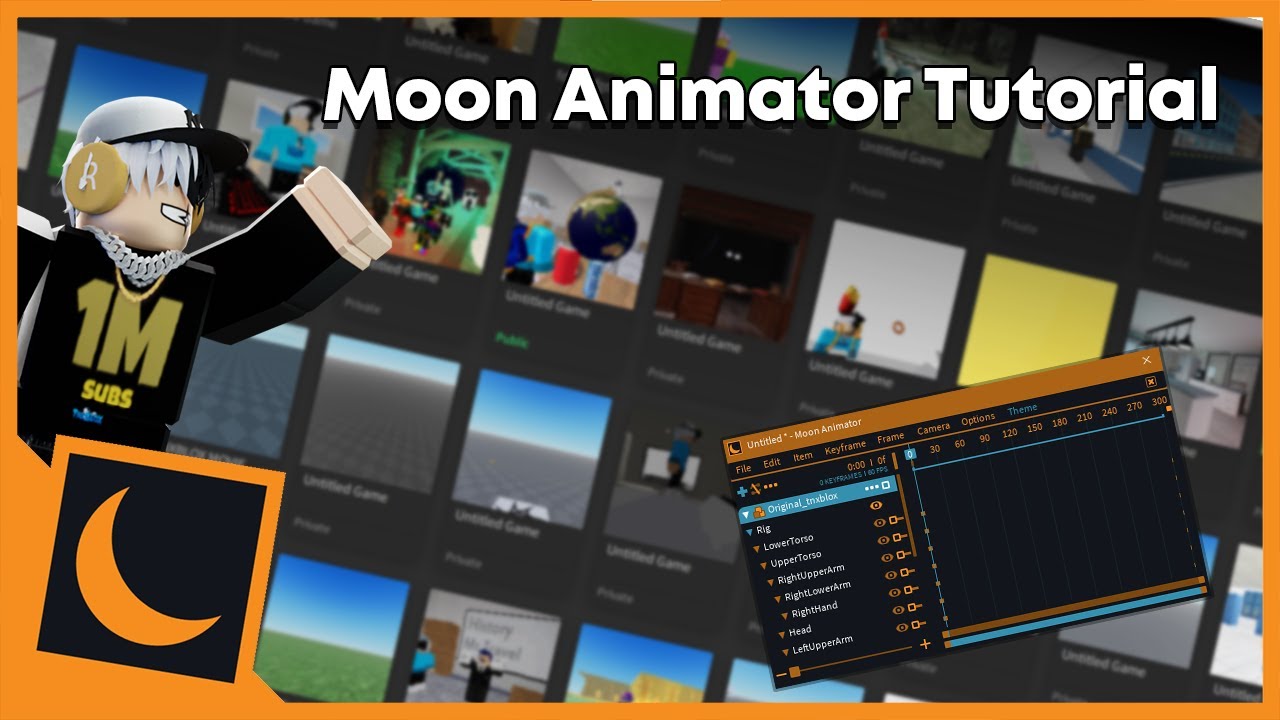
Flying Animation I Made Creations Feedback Developer Forum Roblox . How To Make FLY SCRIPT Roblox Studio Tutorial YouTube . Unlocking Roblox Animation Power With Moon Animator Up To Date 2026 SL1500 . Roblox RetroStudio Codes March 2026 15 New Active Codes Roblox RetroStudio Codes . Unlocking Roblox Animation Power With Moon Animator Up To Date 2026
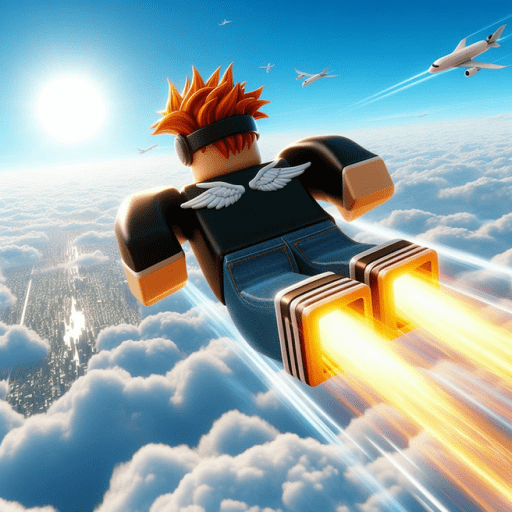
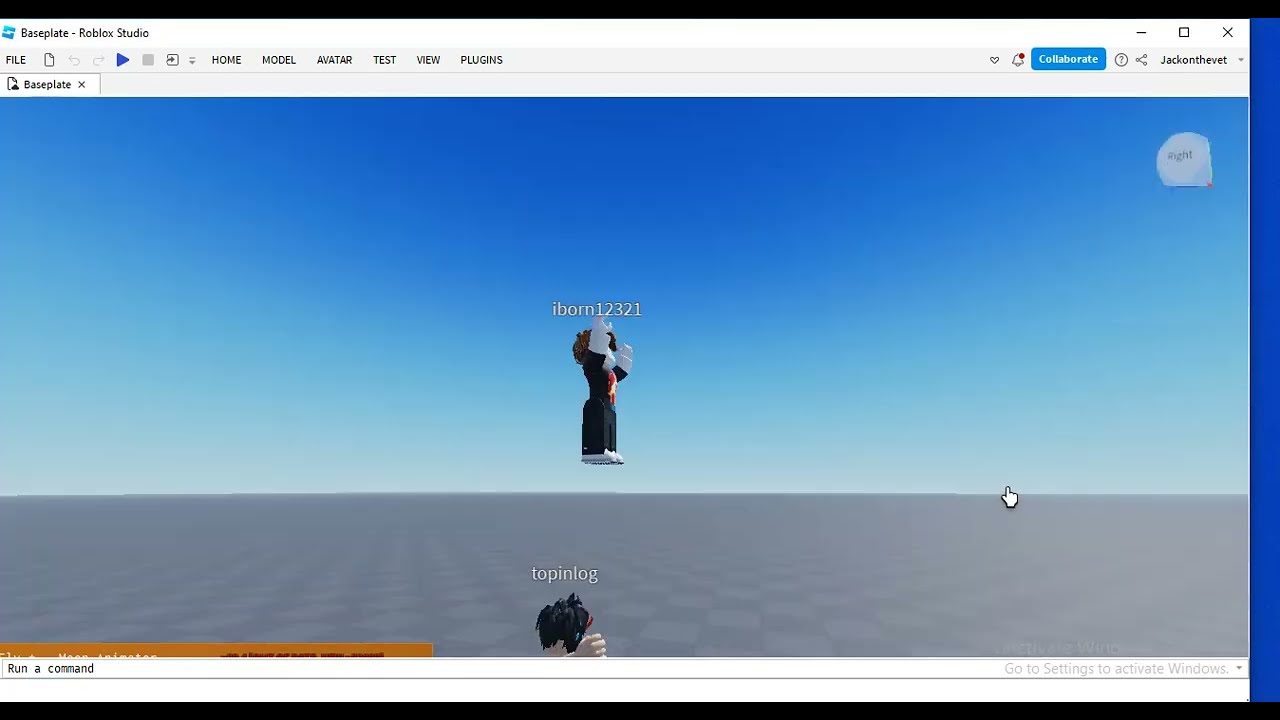


Roblox 1 Fly Every Second Codes June 2026 Roblox Den Robloxden Generated Cdb8dfd4bc . Fly Roblox Animation YouTube . Roblox How To Make Basic Fly With Fly Fall Animation MDIM Rx . Fly My Wings Limbus Company ROBLOX Animation YouTube . Roblox Animation IDs June 2026 Page 2 Roblox ID Roblox Animation Ids



Roblox Flying Simulator Codes Wiki May 2026 MrGuider Roblox Flying Simulator Codes 1 . Flying Fly Roblox Animations YouTube Oar2 . Unlocking Roblox Animation Power With Moon Animator Up To Date 2026 . Unlocking Roblox Animation Power With Moon Animator Up To Date 2026 . Hand Retro Cartoon Fly 45063120 PNG Hand Retro Cartoon Fly Png


Fly Roblox GIF Fly Roblox Discover Share GIFs Fly Roblox . Evolution Of Roblox Walking Animation 2007 2022 YouTube . Hand Retro Cartoon Fly 45121853 PNG Hand Retro Cartoon Fly Png . Quirky Retro Style Cartoon Fly 11593757 Vector Art At Vecteezy Quirky Retro Style Cartoon Fly Vector . Retro Distressed Sticker Of A Cartoon Fly 12360672 Vector Art At Vecteezy Retro Distressed Sticker Of A Cartoon Fly Vector


Roblox Become A Plane And Fly Codes Roblox Press Image 1 . Roblox 2026 Soon Roblox Animation Oar2 . Retro Cartoon Gross Fly 45202151 PNG Retro Cartoon Gross Fly Png . Roblox Jump Sound Effects At Erica Laforge Blog . Roblox Studio Animation Animation GIF Roblox Studio Animation Roblox Animation


Free And Roblox Fisch Script Download Templates Playground 2ec8f68e Fe4d 4d4c 8e34 . Roblox Logo Rainbow Animated Cursor 2000s Mouse Cursor Roblox Custom . Anbernic RG40XXV Review 2026 Best Budget Retro Handheld Roblox Baddies Codes . Retro Cartoon Fly 45077772 PNG Retro Cartoon Fly Png . 2026 Indonesia Air Transport Crash Animation Roblox YouTube


Flywings 2026 Flight Simulator ROBLOX By Thetis Games YnUDDB . 117 Roblox T Shirt Royalty Free Images Stock Photos Pictures Animated Character 3d Image Flying 260nw 2460157239 . Roblox 2006 Glitch Non Animation Fly YouTube . First Roblox Animation Of 2026 YouTube Oar2 . Fly EVERY SECOND Roblox YouTube