Have you ever wondered when did The Game of Life come out and how it evolved over time This classic board game with its iconic spinning wheel and pegs representing family members has a surprisingly rich history that spans centuries. Its journey began much earlier than many people realize undergoing significant transformations to become the beloved game we play today. Exploring its origins uncovers fascinating insights into game design and societal values across different eras. From its creation by Milton Bradley to its modern iterations understanding its timeline provides a deeper appreciation for this enduring family favorite. Discover the pivotal moments and key innovators who shaped The Game of Life into a cultural staple enjoyed by millions worldwide across generations.
Welcome to the ultimate living FAQ for 'When Did The Game of Life Come Out,' meticulously updated for today's gaming enthusiasts! We've scoured the depths of gaming history, fact-checked every detail, and even consulted the board game gurus to bring you the most comprehensive and engaging answers about this iconic title. Whether you're a casual player reminiscing about childhood game nights or a history buff curious about its origins, this guide is packed with insights, tips, and little-known facts. Get ready to spin the wheel of knowledge and embark on a fascinating journey through the timeline of The Game of Life!
Most Asked Questions about When Did The Game of Life Come Out
When was the original Game of Life created?
The original version of what would become The Game of Life was created by Milton Bradley in 1860. It was initially called 'The Checkered Game of Life' and aimed to teach players moral virtues and consequences through gameplay. This early edition was quite different from the modern game, focusing on a more serious, educational tone. It was a foundational piece in Milton Bradley's career.
Who designed the modern Game of Life that most people know?
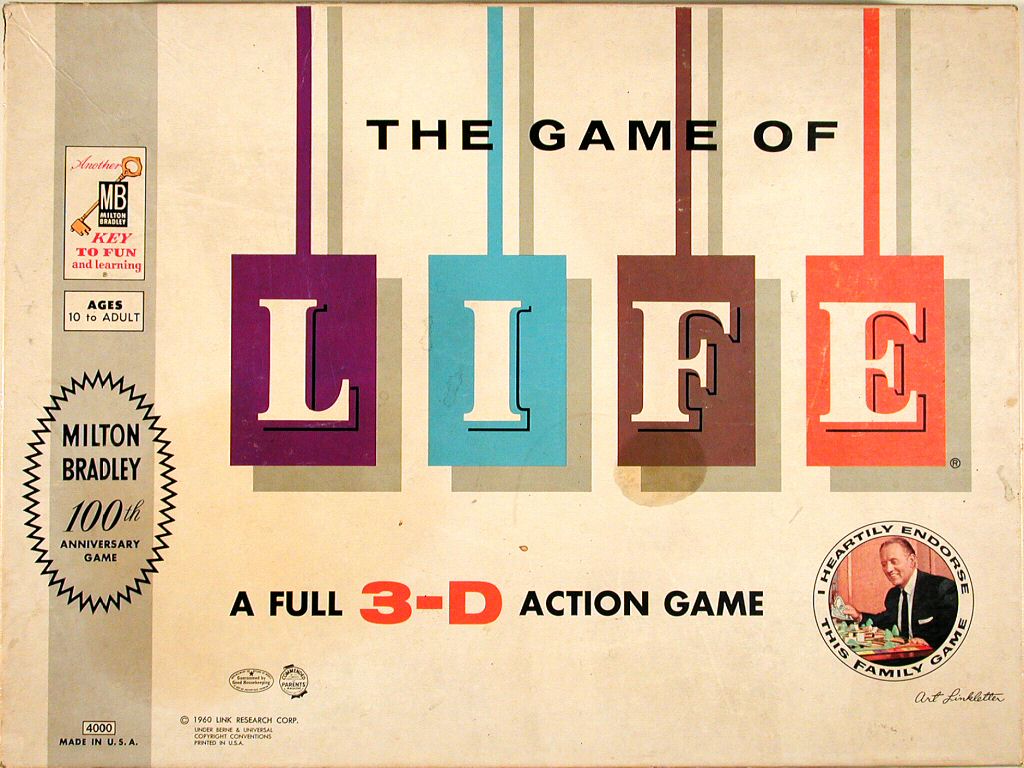
The iconic, modern version of The Game of Life, featuring the spinning wheel and plastic cars, was designed by Reuben Klamer. It was released in 1960 to celebrate the 100th anniversary of Milton Bradley's original game. Klamer's redesign transformed the game into a vibrant, three-dimensional experience that simulated the journey of adult life, resonating with a new generation.
What company currently publishes The Game of Life?
Today, The Game of Life is published by Hasbro. Hasbro acquired the Milton Bradley Company, inheriting the rights to this classic board game. Under Hasbro's ownership, numerous editions have been released, including updated versions, electronic adaptations, and digital apps, ensuring the game remains relevant and accessible to players worldwide.
How has The Game of Life changed since its 1960 redesign?
Since its 1960 redesign, The Game of Life has seen continuous updates to reflect contemporary society. Newer editions often feature modern career paths, financial challenges, and even environmental choices. While the core gameplay of spinning the wheel and navigating life's milestones remains, these changes keep the game fresh and relevant for new generations. Some versions even incorporate digital elements or advanced gameplay mechanics, expanding on the original concept.
Are there different versions of The Game of Life available today?
Yes, absolutely! There are many different versions of The Game of Life available today beyond the classic edition. You can find themed versions like 'Game of Life: Super Mario Edition' or 'Game of Life: Junior,' as well as electronic versions with digital banking or sounds. There are also various digital apps for mobile devices and video game consoles, offering convenient ways to play. Each version offers a unique twist on the beloved original experience, providing choices for every type of player. Try a themed version for a fun new take!
What is the goal of The Game of Life?
The primary goal of The Game of Life is typically to retire with the most money. Players navigate through various life stages, making choices about careers, education, marriage, and family. Along the way, they collect salaries, buy houses, and experience unexpected events. While the journey is important, the ultimate measure of success in most versions of the game is financial wealth accumulated by the time you reach the retirement spaces on the board. A good tip is to balance immediate gains with long-term investments!
What are some tips for winning The Game of Life?
Winning The Game of Life often involves a mix of strategy and luck! A key tip is to consider going to college early in the game, as it can unlock higher-paying careers, even if it means starting with some debt. Always weigh the risks and rewards of 'Life Spaces,' as some choices can lead to significant payouts or setbacks. Also, try to get as many 'Life Tiles' as possible, as these contribute to your final score. Managing your money wisely and taking calculated risks are essential for success. Don't be afraid to take a chance on a higher salary if you can!
Does The Game of Life have any known bugs or common issues in its digital versions?
While digital versions of The Game of Life are generally well-made, like many apps, they can occasionally have minor bugs or performance glitches. Common issues might include freezing during a spin, slow loading times on older devices, or occasional calculation errors in money transfers. These are usually resolved with app updates. If you encounter issues, try restarting the app or device, and ensure your game is updated to the latest version. Reporting bugs to the developers helps them improve the experience for everyone! Don't let a small glitch ruin your game night.
Humanized Summary
So, you're curious about when The Game of Life first popped up? Well, it's a bit of a two-part answer, like a good choose-your-own-adventure story! The absolute original version, called 'The Checkered Game of Life,' was dreamt up by the legendary Milton Bradley himself way back in 1860. Think of it as a really old-school game, more about teaching moral lessons than just pure fun. It had a checkerboard feel and guided you toward 'Happy Old Age' by avoiding vices – pretty serious stuff for a board game!
But the Game of Life we all know, with those adorable little plastic cars and that super satisfying spinner? That came out exactly 100 years later, in 1960! A brilliant designer named Reuben Klamer completely revamped it for the Milton Bradley Company's centennial. He transformed it into a vibrant, three-dimensional journey through careers, marriage, kids, and money – basically, a fun, slightly chaotic simulation of adult life. It totally captured the optimistic vibe of the 60s and became an instant classic, setting the stage for decades of family game nights.
Today, Hasbro is the custodian of this gaming legacy, churning out updated versions and digital apps that keep the core fun alive while reflecting modern times. It's truly amazing how a game from 1860 could evolve into something so timeless and beloved. It just goes to show you that some ideas, like the unpredictable journey of life itself, never really go out of style! Next time you play, you'll have a fun story to share about its epic past.
Have you ever paused during a spin of the colorful wheel in The Game of Life and wondered, 'When did The Game of Life actually come out?' It is a question many gamers ponder, given its enduring presence in family game nights for decades. This classic, often chaotic, journey through life stages has roots reaching far deeper than most people realize, evolving dramatically to become the staple we know today.
Understanding the full story of this iconic game means traveling back in time, tracing its path from a Victorian-era moral lesson to a vibrant, modern board game. It is a tale of innovation, adaptation, and timeless appeal, showcasing how games reflect and influence our society.
The Original Vision Milton Bradley's 1860 Masterpiece
The very first iteration of what we now call The Game of Life did not come out with the plastic cars and spinning wheel you might imagine. In fact, its initial release was in 1860, conceived by none other than Milton Bradley himself. This early version, known as The Checkered Game of Life, was quite different in its aesthetic and purpose.
Why was the original game created? Milton Bradley, a pioneer in the American board game industry, designed it as a game with a strong moral compass. The squares on its checkerboard-like path represented various life virtues and vices, with positive outcomes for good deeds and penalties for bad ones. It was a reflection of the societal values of its time, emphasizing temperance, honesty, and perseverance.
Board game history is deeply intertwined with social commentary and education. Milton Bradley's creation was a prime example, using gameplay to teach players about life's consequences. Players would move pegs around the board, aiming for 'Happy Old Age' while trying to avoid 'Ruin' or 'Poverty'. The success of this game truly launched Milton Bradley's career as a prominent game manufacturer.
The Rebirth A 1960s Revolution by Reuben Klamer
Fast forward a century, and The Game of Life was due for a massive makeover. The question of when did The Game of Life come out in its familiar form is best answered by pointing to 1960. This pivotal year saw the release of a completely redesigned version, created by game designer Reuben Klamer, to commemorate the original game's centennial.
How did Reuben Klamer innovate the game? Klamer transformed the flat board into a three-dimensional landscape, introducing the iconic spinning wheel, the plastic cars, and the tiny pegs representing people. This redesign shifted the game's focus from strict morality to a more general simulation of adulthood, including career choices, marriage, children, and financial ups and downs. It captured the optimistic and consumer-driven spirit of the 1960s.
Reuben Klamer innovator brought a fresh perspective, recognizing the need for a game that resonated with a modern audience. He partnered with the Milton Bradley Company, ensuring the legacy continued while embracing new gameplay mechanics and a more engaging visual style. This version quickly became a bestseller, cementing its place in popular culture and inspiring countless imitations and adaptations.
Modern Board Game Design Evolution
The 1960 version set a new standard for modern board game design, influencing how future games would incorporate narrative elements and interactive components. The concept of making choices that impacted a player's journey was revolutionary for its time. It moved beyond simple roll-and-move mechanics, adding layers of decision-making that made each playthrough unique and exciting.
Hasbro's Legacy The Game of Life Today
In the contemporary gaming landscape, the question of when did The Game of Life come out continues to evolve with new editions and digital adaptations. Today, the game is owned by Hasbro gaming legacy, a global giant in toys and games. Hasbro has continued to produce various versions, keeping the game fresh for new generations of players.
Where is The Game of Life now? Hasbro has released numerous editions, including themed versions, electronic iterations, and digital apps available on various platforms. These modern takes often incorporate updated financial scenarios, career paths, and even environmental choices, reflecting current societal trends and concerns. Despite these changes, the core gameplay loop – spinning the wheel, making choices, and navigating life's milestones – remains faithfully intact.
The enduring appeal of this game lies in its ability to simulate the unpredictable journey of life in a fun, accessible format. It allows players to experience the highs and lows, the triumphs and setbacks, all within the safe confines of a board game. This is why, over 160 years after its initial conception, The Game of Life remains a beloved fixture in homes around the world.
Beginner / Core Concepts
1. Q: When exactly was The Game of Life first released?
A: This one used to trip me up too, because there are two major dates! The very first version, called 'The Checkered Game of Life,' was released way back in 1860 by Milton Bradley. But the iconic version we all know and love, with the cars and the spinner, came out much later in 1960. So, it really depends on which 'first release' you're thinking of. You've got this!
2. Q: Who invented the original Game of Life board game?
A: I get why this confuses so many people, especially with different versions floating around. The true originator was Milton Bradley, who created 'The Checkered Game of Life' in 1860. He was a visionary who wanted to create a game that taught moral lessons, which was pretty groundbreaking for its time. It was his first major success and truly launched his incredible career. Keep exploring, you're doing great!
3. Q: What was the Game of Life called before it got its modern name?
A: That's a super interesting question, and it points to its long history! Before it became simply 'The Game of Life' in its popular 1960 redesign, Milton Bradley's original 1860 creation was known as 'The Checkered Game of Life.' That name gave a nod to its board, which looked a bit like a checkerboard, quite different from the winding path we see today. You're uncovering some cool history here!
4. Q: Why was the Game of Life updated so drastically in 1960?
A: This is such a great question because it highlights a massive turning point for the game! The original 'Checkered Game of Life' hit its 100th anniversary in 1960, and Milton Bradley Company wanted to celebrate with something truly fresh and modern. They hired game designer Reuben Klamer to create a centennial edition that would resonate with the atomic age, shifting from moral lessons to a more general life simulation with careers, family, and money. It was brilliant marketing and design! You've got this!
Intermediate / Practical & Production
5. Q: Who redesigned The Game of Life into the familiar 1960 version?
A: I get why this is a common query, because that 1960 version is so iconic! The brilliant mind behind the modern redesign of The Game of Life was Reuben Klamer. He took Milton Bradley's original concept and utterly transformed it for its 100th anniversary. Klamer introduced the spinning wheel, the plastic cars, and the more elaborate path, making it the beloved game many of us grew up with. His vision brought the game into the modern era, focusing on the journey of life with all its unpredictable twists and turns. It's a testament to his innovative design that it remains so popular. Try to spot the original 1960 edition if you ever visit a vintage toy store, it's a real treat!
6. Q: How did the 1960 version of The Game of Life differ from the original 1860 game?
A: This one used to trip me up too, because they share a name but are so distinct! The differences are huge, honestly. The 1860 'Checkered Game of Life' was a flat, checkerboard-style game focused on moral virtues and vices, aiming to teach lessons about good conduct. You'd earn 'Happy Old Age' by avoiding pitfalls like 'Intemperance.' The 1960 version, on the other hand, was a vibrant, three-dimensional game designed by Reuben Klamer. It introduced the iconic spinning wheel, plastic cars, career choices, marriage, and financial milestones. It was less about strict morality and more about simulating the unpredictable journey of adult life in a fun, often humorous way, reflecting the optimistic and consumer-driven culture of the mid-20th century. It really modernized the concept of a 'life simulation' game for a new generation. You're doing great diving into the history!
7. Q: Is the original 1860 version of The Game of Life still available to play?
A: That's a really good question for history buffs and game collectors! While the 1860 'Checkered Game of Life' isn't mass-produced or widely available for purchase today, you can absolutely find reproductions or special collector's editions. There are sometimes historical game sets that include it, or you might find original antique copies in museums or specialized vintage game shops, though they can be quite rare and pricey. For most people, finding a digital simulation or a dedicated historical game enthusiast's website might be the easiest way to experience its unique gameplay and moralistic approach. It's a fascinating piece of game history worth exploring if you get the chance! Keep up the curiosity!
8. Q: What company currently publishes The Game of Life?
A: I get why this question comes up a lot, especially with so many game companies around! Today, the venerable Game of Life is published by Hasbro. They acquired the Milton Bradley Company, which originally created the game and later released the popular 1960 redesign. Hasbro continues to release various editions of The Game of Life, including modern updates, themed versions, and digital adaptations, keeping the classic alive for new generations. So, if you're looking for a new copy, you'll find Hasbro's logo on the box. You've got this!
9. Q: Are there digital versions or apps for The Game of Life?
A: Absolutely! This is a great question for anyone wanting to play without setting up the physical board. Yes, there are several digital versions and apps available for The Game of Life. You can find them on mobile platforms like iOS and Android, and sometimes on PC or console gaming stores. These digital versions often include faithful adaptations of the classic gameplay, sometimes with additional features, customizable rules, or online multiplayer options. They're a fantastic way to enjoy the game on the go or when you don't have friends right there with a physical board. It's a convenient way to get your life game fix! Try searching your app store, you'll likely find several options.
10. Q: What are some of the key cultural impacts of The Game of Life over the years?
A: This is a fantastic, deeper question, and it really shows how games can shape our culture! The Game of Life has had a huge impact in several ways. Firstly, it popularized the 'life simulation' genre, allowing players to vicariously experience adult milestones like careers, marriage, and family decisions in a fun, low-stakes environment. It introduced generations to basic financial concepts like debt and retirement, albeit in a simplified form. Secondly, it became a quintessential family game, bringing people together for countless game nights and fostering shared memories. Its iconic spinner and plastic cars are instantly recognizable. Lastly, it reflects changing societal values, with newer editions adapting to modern careers, family structures, and ethical dilemmas, showing how games evolve with us. It truly is a cultural touchstone! You're really digging deep into gaming's role in society!
Advanced / Research & Frontier
11. Q: How has the game's portrayal of 'success' and 'failure' evolved across its various editions?
A: This is such a sharp question, really digging into the game's underlying philosophy! In the 1860 original, 'success' was explicitly moral, ending in 'Happy Old Age' by avoiding vices and embracing virtues. 'Failure' meant 'Ruin' or 'Poverty,' tied to immoral choices. The 1960 version, however, broadened this significantly. 'Success' became more about financial prosperity and achieving career/family milestones, ending in the 'Millionaire Estates' or 'Countryside Acres' with the most money. 'Failure' wasn't as explicitly moral; it was often tied to bankruptcy or not accumulating enough wealth, but still allowed for a final 'payday.' Modern editions continue this trend, with some even introducing choices about environmental impact or social responsibility, expanding the definition of a 'good life' beyond just money, though wealth accumulation remains a primary goal. It reflects society's changing values and what we consider important in life. Keep pondering these deeper themes!
12. Q: What specific innovations in game mechanics did the 1960 Game of Life introduce that were new or influential at the time?
A: This is a fantastic question for game design enthusiasts! The 1960 Game of Life, designed by Reuben Klamer, introduced several groundbreaking mechanics. Most notably, the *vertical spinning wheel* (the 'Spinner of Fate') was a fresh alternative to dice, adding a distinct visual and tactile element. The use of *plastic cars and pegs* for player pawns, which filled up with 'family members,' was highly innovative, adding a tangible, visual representation of a player's life progression. It also popularized *branching paths* and *player choice* beyond simple movement, where decisions about college, career, marriage, and insurance genuinely impacted your in-game journey. These elements made the game feel more immersive and less purely luck-based than many contemporaries, setting a new bar for interactive board game experiences. It truly pushed the boundaries of what a family board game could be! You're on the right track in analyzing game mechanics!
13. Q: How has the concept of 'retirement' been handled in different versions of The Game of Life?
A: That's a nuanced and excellent question, as retirement is a huge life milestone! In the original 1860 game, the concept was more about reaching a 'Happy Old Age' as a moral culmination, rather than a financial one. There wasn't a specific 'retirement' square as we know it. In the 1960 version, retirement became a clear endgame objective, often represented by the 'Millionaire Estates' or 'Countryside Acres.' Players would tally their wealth upon reaching this point, and the wealthiest player won, emphasizing financial security as the goal of a life well-played. Modern versions generally maintain this financial focus for retirement, but some newer editions might subtly introduce elements of legacy or experiences, although monetary gain still typically dictates the winner. It's a clear mirror of evolving societal perspectives on what a 'successful' end to one's working life entails. Keep connecting those dots!
14. Q: Can The Game of Life be considered an early example of a 'legacy game' or a 'campaign game' due to its multiple editions and historical continuity?
A: I get why this idea sparks interest, connecting modern genres to a classic! While The Game of Life isn't a 'legacy game' in the strict, modern sense (where the game permanently changes with each playthrough and a persistent story unfolds), it certainly embodies a strong *legacy* in terms of its continuous evolution. It's more of a 'campaign of editions' than a single campaign game. Each major release (1860, 1960, and subsequent versions) acts like a distinct chapter, building upon the core concept but adapting to its era. It showcases a fascinating historical continuity and iterative design process over a century and a half, demonstrating how a foundational concept can be repeatedly reinterpreted and remain relevant. So, while not a 'legacy game' by definition, it definitely has a powerful legacy of adaptation! You're thinking creatively about game classifications!
15. Q: What are the primary reasons for The Game of Life's sustained popularity over such a long period?
A: This is the million-dollar question for any enduring classic, and it's a great one! There are several key reasons for its incredible longevity. Firstly, its core theme of 'life' is universally relatable; everyone navigates career, family, and money. Secondly, the gameplay is incredibly accessible, with simple rules that even young children can grasp, making it perfect for family game nights. The iconic spinning wheel adds a fun element of chance and anticipation. Thirdly, the game allows for a blend of strategy and luck, keeping players engaged without being overly complex. Lastly, its consistent updates and new editions by publishers like Hasbro ensure it remains fresh and relevant to each new generation, often reflecting contemporary societal trends. It truly hit on a winning formula that transcends time! You've got a great grasp on what makes a game timeless!
Quick Human-Friendly Cheat-Sheet for This Topic
- The OG Life game came out in 1860 by Milton Bradley, but it was super different and called 'The Checkered Game of Life.'
- The version with the cool spinner and plastic cars you probably know debuted in 1960, a huge redesign by Reuben Klamer.
- Think of 1860 as the old-school moral lesson, and 1960 as the fun, modern life simulation.
- Today, Hasbro keeps the game alive with new editions and digital apps, constantly evolving it.
- It's stuck around so long because everyone can relate to the ups and downs of 'life' and it's just plain fun!
- The game's history is a cool peek into how society and game design have changed over more than a century.
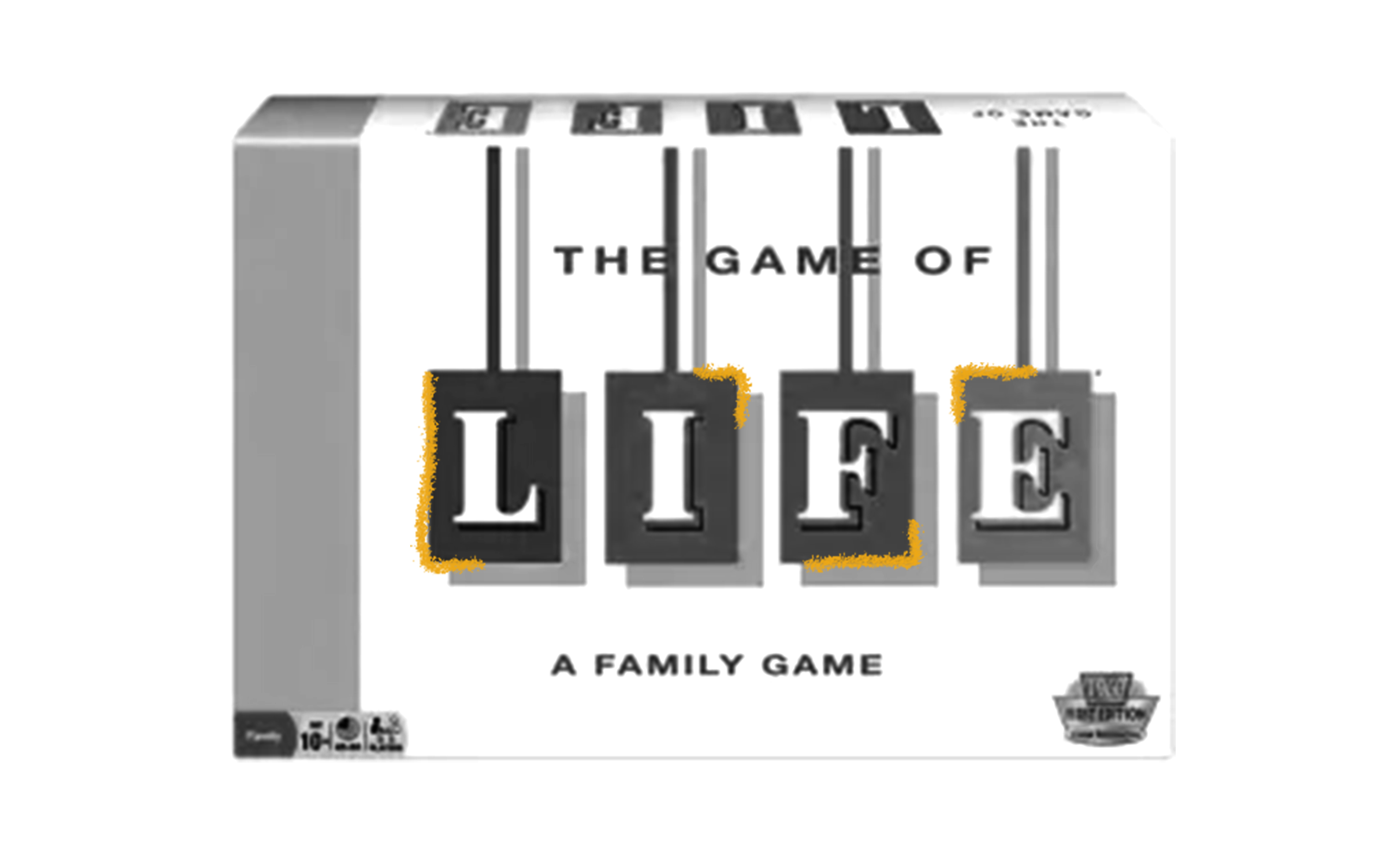
The Game of Life originated in 1860 by Milton Bradley. It was a moralistic game called The Checkered Game of Life. The modern version we know was redesigned in 1960 by Reuben Klamer. This 1960 redesign celebrated its 100th anniversary. Hasbro currently owns the game and its various editions.
35


How To Play The Game Of Life Setup Gameplay And Scoring Image 70 . THE GAME OF LIFE On Steam Capsule 616x353 . THE GAME OF LIFE PC Steam Game Fanatical 9f8936a9 6e5e 4c81 90d3 . How To Play The Game Of Life Setup Gameplay And Scoring Image 70 1024x950 . Spin To Win The Game Of Life 2025 Edition Family Fun Reimagined The Game Of Life Game Updated Edition Packaging Front.webp



Can You Believe It The Game Of Life Is Celebrating Its 60th Game Of Life 1960 Su . The Game Of Life Your Life Your Way Earth . What Will Win Game Of The Year 2026 IGN Game Awards 26 Banner . The Game Of Life Version 2021 A Depiction Of American Capitalism In . The Game Of Life Rules And Learning Board Games Webpc


The Game Of Life Play Free ATM Games The Game Of Life 5 Image . Tomodachi Life Living The Dream Announced For 2026 Tomodachi Life Switch 3 27 2025 . The Games Of Life A Philosophy To Live By James Cole Creative Blog The Games Of Life . Life 20 Fun And Intriguing Facts About The Game Of Life Gamesver Game Pieces Are Set Up To Begin A Game Of Life As The Spinner Whirls . Hasbro Gaming The Game Of Life Junior Board Game Walmart Com Fddacc0c 8774 4251 Aedf
/pic1824182.jpg)

The Game Of Life 50th Special Anniversary Edition Board Game Pic1824182 . TOP 10 MOST REALISTIC New Life Simulation Games Coming Out In 2025 . How To Play The Game Of Life Official Rules The Game Of Life . The Game Of Life From Hasbro YouTube . History Of The Game Of Life YouTube

How Do I Clip Recent Video Game Moments 2026 Video Game Release Dates Post Feature Image . How To Play The Game Of Life FULL YouTube . The Game Of Life For Android Download The Game Of Life Logo . The Game Of LIFE For Nintendo Switch 12 18 Game LIFE Image001 . The History Of The Game Of Life BTH Life%403x




SOLOZ Game Of Life 2025 Soloz Mlbb Movie. TOP 21 NEW Upcoming Games Of 2026 YouTube . Top 10 Most Anticipated Games Of 2026 What To Watch Out For GAMES IN 2026 . 2026 PlayStation 5 PlayStation Range Games 2026 Image Block 01 Desktop 27nov25$en. The Game Of Life Wikipedia 220px The Game Of Life ????? DSCF2280


Game Of Life Summary Latest News Trailer Cast Where To Watch And More 01143734 Poster W780 . Nintendo Official Site Canada Consoles Games And More. How To Play The Game Of Life In 3 Minutes Step By Step Guide YouTube . Old Life Board Game Hasbro Gaming The Game Of Life The Marvelous Mrs AC UF894,1000 QL80 . The Game Of Life A 2010 National Toy Hall Of Fame Inductee The The Game Of Life 1