This in depth guide explores the age old gamer question should I disable IPv6 for gaming on Reddit. We dive into common network issues like ping spikes FPS drops and stuttering fixes related to IPv6. Understand how to optimize your settings for a smoother online gaming experience across FPS MOBA and Battle Royale titles. Learn about potential lag reduction and network configuration best practices. This resource offers actionable tips and tricks for both beginners and pro players seeking optimal gaming performance. Discover if disabling IPv6 truly improves your internet connection or if it is just a persistent myth among the gaming community. We cover various scenarios including PC PS5 Xbox Series X and Switch. Get ready to tweak your system and elevate your gameplay.
should i disable ipv6 for gaming reddit FAQ 2026 - 50+ Most Asked Questions Answered (Tips, Trick, Guide, How to, Bugs, Builds, Endgame)
Welcome, fellow gamers, to the ultimate living FAQ for IPv6 and gaming in 2026! The question of whether to disable IPv6 for a smoother gaming experience continues to spark intense discussions across platforms like Reddit. With new games, network technologies like Wi-Fi 7, and evolving internet infrastructure, understanding your connection is more critical than ever. This comprehensive guide, regularly updated for the latest patches and network advancements, aims to demystify IPv6's role in your gaming setup. We will tackle common myths, offer practical tips, and provide in-depth answers to ensure you have the best possible online performance, covering everything from ping issues to stuttering fixes, and how it impacts your favorite FPS, MOBA, RPG, Battle Royale, Indie, MMO, and Strategy titles.
Beginner Questions
What is IPv6 and why is it relevant to gaming?
IPv6 is the latest internet protocol, providing vastly more IP addresses than IPv4. For gaming, it can offer more direct routing to game servers, potentially reducing latency by bypassing IPv4's address limitations and translation layers. It is becoming increasingly essential for modern online experiences.
Will disabling IPv6 guarantee better ping or less lag in games?
No, disabling IPv6 does not guarantee better ping or less lag. While some users might see an improvement due to specific router or ISP issues, for most modern setups in 2026, IPv6 offers equivalent or even superior performance. It is not a universal fix for all network problems.
How can I check if my computer is using IPv6?
You can check if your computer is using IPv6 by opening Command Prompt and typing 'ipconfig', looking for an 'IPv6 Address'. Alternatively, visit a website like test-ipv6.com, which will instantly show your IPv4 and IPv6 connectivity status.
Is it safe to disable IPv6 on my gaming PC?
Generally, yes, it is safe to disable IPv6 on your gaming PC, as it will revert to IPv4. However, some IPv6-only services or applications might become inaccessible, and certain network optimizations from your ISP could be bypassed, potentially causing unforeseen issues.
Network Settings & Optimization
Should I disable IPv6 on my router or just my PC?
It is usually recommended to only disable IPv6 on your gaming PC if you suspect issues. Disabling it on your router affects all devices and could disrupt smart home functions or other services that rely on IPv6. Start with the least intrusive change.
What impact does IPv6 have on NAT types for gaming consoles?
IPv6 can significantly improve NAT types for consoles like PS5 and Xbox Series X. Because IPv6 provides unique public addresses for each device, it often bypasses restrictive Carrier-Grade NAT (CGNAT) issues common with IPv4, leading to more open NAT types and better peer-to-peer connectivity.
Could my network drivers be causing IPv6 issues instead of the protocol itself?
Yes, absolutely. Outdated or corrupted network drivers are a far more common cause of network performance issues than IPv6. Always ensure your Ethernet or Wi-Fi adapter drivers are up-to-date from the manufacturer's website for optimal stability and performance.
Does IPv6 affect port forwarding for game servers?
IPv6 simplifies port forwarding because each device gets a unique public IP address, eliminating the need for NAT translation like in IPv4. You would configure firewall rules on your router for specific IPv6 addresses directly, making server hosting potentially easier and more reliable.
Performance & Lag Fixes
Myth vs Reality: Does IPv6 always increase latency in online games?
Myth: IPv6 always increases latency. Reality: A properly configured IPv6 network often offers routing paths that are just as good, or even slightly better, than IPv4. Higher latency is typically due to ISP routing, network congestion, or local equipment issues, not IPv6 itself.
Can IPv6 cause packet loss or stuttering in competitive FPS games?
While an improperly configured IPv6 setup by your ISP or an outdated router could hypothetically contribute to packet loss or stuttering, it is not an inherent flaw of the protocol. More often, these issues stem from Wi-Fi interference, general network congestion, or driver problems.
How does IPv6 interact with QoS (Quality of Service) settings on my router?
IPv6 interacts with QoS similarly to IPv4, allowing your router to prioritize gaming traffic. Ensure your router's QoS settings are configured for both IPv4 and IPv6 traffic if applicable. Proper QoS can help maintain stable ping even when other devices are consuming bandwidth.
Compatibility & Bugs
Are all modern games fully compatible with IPv6 in 2026?
The vast majority of modern games released in 2026 are fully compatible with IPv6. Game developers recognize the internet's transition and build their network code accordingly. Issues are more likely to arise from local network configurations or specific ISP implementations.
What if my ISP only provides IPv4 or has a poor IPv6 implementation?
If your ISP primarily provides IPv4 or has a known poor IPv6 implementation, then disabling IPv6 on your PC might be a valid troubleshooting step. However, it is crucial to verify this with your ISP or through network diagnostics before making changes.
Advanced Troubleshooting
How can I perform advanced diagnostics to pinpoint IPv6 related issues?
For advanced diagnostics, use command-line tools like ping -6 to test IPv6 connectivity and latency, and tracert -6 to trace the route your IPv6 traffic takes to game servers. These tools can help identify specific hops where latency or packet loss occur.
Are there any specific router firmware updates that address IPv6 gaming issues?
Yes, router manufacturers frequently release firmware updates that improve IPv6 handling, enhance security, and fix network bugs. Always keep your router's firmware updated to ensure optimal performance and compatibility with current network standards.
Myth vs Reality
Myth vs Reality: IPv6 is less secure for gaming than IPv4.
Myth: IPv6 is less secure. Reality: IPv6 includes built-in security features like IPsec, which can provide end-to-end encryption and authentication. While configuration is key, IPv6 is inherently designed with stronger security considerations than older IPv4.
Myth vs Reality: Disabling IPv6 is a universal fix for all game lag.
Myth: Disabling IPv6 fixes all lag. Reality: This is a persistent misconception. While it might solve niche problems, most lag is due to factors like Wi-Fi interference, network congestion, ISP routing, or outdated drivers, which disabling IPv6 will not address.
Myth vs Reality: My old games won't work with IPv6.
Myth: Old games won't work with IPv6. Reality: Most older games primarily use IPv4. Even with IPv6 enabled on your system, these games will still communicate over IPv4, often without issue. Disabling IPv6 is rarely necessary for older titles.
Console Specific Tips (PS5, Xbox Series X, Switch)
Should I disable IPv6 on my PS5 for better online multiplayer?
Generally, no. PS5's network stack is well-optimized for IPv6, and keeping it enabled can improve NAT types, especially if your ISP supports it. Disabling it is usually only recommended if you experience specific, diagnosed connectivity issues unique to IPv6.
What are the IPv6 settings to check on an Xbox Series X?
On Xbox Series X, IPv6 is typically handled automatically. Go to 'Settings' > 'General' > 'Network settings' > 'Advanced settings'. You can view your IPv6 address there. Ensure 'Automatic' is selected unless you have a specific reason for manual configuration. A good connection health usually means IPv6 is fine.
Does Nintendo Switch benefit from IPv6 for online play?
Yes, the Nintendo Switch can benefit from IPv6, especially for peer-to-peer connections and stable online play. Like other consoles, if your home network and ISP support IPv6, it can provide a more direct and potentially faster route to game servers, improving your experience.
Endgame & Competitive Play
How does IPv6 impact professional esports setups?
In professional esports, network stability is paramount. While most events use controlled LAN environments, for online qualifiers or practice, IPv6 is generally embraced if the infrastructure is robust. It offers the potential for lower latency and better direct connections, critical for top-tier play.
Are there any specific IPv6 configurations for optimal competitive gaming?
Optimal IPv6 configurations for competitive gaming often involve ensuring your router and PC prioritize game traffic (QoS), that your DNS is fast and IPv6-enabled, and that there are no unnecessary firewall rules blocking IPv6 traffic. Direct, low-latency routing is the goal.
Still have questions?
This living FAQ aims to cover the most common questions about IPv6 and gaming. If you still have specific issues or want to dive deeper, check out our related guides on 'Ultimate Guide to Lowering Ping in 2026', 'Mastering Your Router Settings for Gaming', and 'Best Gaming Network Adapters Review'. Happy gaming!
Hey fellow gamers, have you ever scrolled through Reddit, seen a post about network issues, and stumbled upon the age-old question: 'Should I disable IPv6 for gaming?' It is a common query that pops up frequently in gaming forums. Many players wonder if turning off this network protocol could magically fix their ping spikes, reduce lag, or even boost their FPS (frames per second) in intense online battles. This topic truly sparks a lot of debate among the community. Let us dive deep into this technical rabbit hole together, unraveling the truths and myths surrounding IPv6 and your gaming performance in 2026.
You see, understanding your network settings is crucial for any serious gamer looking to optimize their experience. We are talking about everything from competitive FPS titles to sprawling MMO worlds. The internet infrastructure is constantly evolving, and what was true a few years ago might not hold up today. This guide will walk you through the nuances of IPv6, how it interacts with your games, and whether tweaking this setting is truly beneficial for your setup. Prepare to get some pro tips and clear up any confusion you might have had.
Beginner / Core Concepts
1. Q: What exactly is IPv6 and why is everyone talking about disabling it for gaming?
A: IPv6, or Internet Protocol version 6, is essentially the latest address system for devices on the internet. Think of it like a mailing address for your computer. It is designed to replace the older IPv4 system because we are running out of unique IPv4 addresses globally. I get why this confuses so many people, especially when you hear whispers about disabling it. The talk about disabling it for gaming often stems from anecdotal reports where some users experienced improved ping or fixed stuttering by switching to IPv4. However, this is far from a universal fix and mostly applies to specific, often older, network setups or router firmware issues. In 2026, most modern networks and games handle IPv6 perfectly fine, sometimes even better. Your internet service provider (ISP) likely uses IPv6, so disabling it might even force your connection to use a slower translation layer. You have got this, let us demystify it!
2. Q: Will disabling IPv6 definitely improve my ping or stop FPS drops in games?
A: Honestly, no, disabling IPv6 will not definitely improve your ping or stop FPS drops for everyone. While some gamers might see a slight improvement, it is usually due to an underlying network configuration issue or an outdated router struggling with IPv6 traffic. Modern games and operating systems are designed to work seamlessly with both IPv4 and IPv6. FPS drops are typically related to your graphics card, CPU, or drivers, not your network protocol. Ping, on the other hand, is a network metric, but IPv6 itself does not inherently cause higher ping. It is more about the routing path your data takes and your ISP's implementation. You might actually introduce new issues by forcing your system to use only IPv4, especially if your ISP prefers IPv6. It is worth investigating other network issues first. Try this tomorrow and let me know how it goes.
3. Q: Is it safe to disable IPv6 on my gaming PC, or could it cause other problems?
A: Yes, it is generally safe to disable IPv6 on your gaming PC, but it is important to understand the potential consequences. Your system will simply fall back to using IPv4 for all network communication. However, this might cause problems with specific applications or websites that are designed to only use IPv6. Some newer online services, especially in 2026, might prioritize or even exclusively use IPv6, leading to connectivity issues if you disable it. For most general gaming and web browsing, you probably will not notice a difference. Just be aware that if you encounter connectivity problems after disabling it, IPv6 might be the culprit. It is always a good idea to test thoroughly and know how to re-enable it if needed. You are doing great by asking these questions!
4. Q: How can I tell if my internet connection is even using IPv6 right now?
A: That is an excellent question! Knowing whether your network uses IPv6 is the first step before making any changes. You can easily check this. On Windows, open your Command Prompt and type 'ipconfig'. Look for entries that say 'IPv6 Address'. If you see one, then your system is configured for IPv6. Another simple way is to visit a website specifically designed to detect your IP version, like 'test-ipv6.com'. This site will quickly show you if you have IPv4 and IPv6 connectivity. If it indicates no IPv6, then disabling it would be pointless, as you are not even using it. This one used to trip me up too, so do not worry if it feels a bit technical. Checking this first can save you a lot of troubleshooting time. You have got this!
Intermediate / Practical & Production
5. Q: I heard some games perform better on IPv4. Is that true for popular titles like Valorant or Warzone 2.0?
A: It is a nuanced point. While legacy games or servers might occasionally show a preference for IPv4, for modern titles like Valorant or Warzone 2.0, this is rarely the case. These games are built on robust, up-to-date network stacks designed for both IPv4 and IPv6. In 2026, many gaming services actually leverage IPv6 for potentially more direct routing, which could even result in slightly lower latency. If you are experiencing performance issues, it is far more likely to be related to: an overburdened local network, outdated network drivers, a poor Wi-Fi signal, or an ISP routing issue rather than IPv6 itself. Disabling IPv6 without proper diagnosis can sometimes even introduce performance degradations. Always consider a holistic approach to network troubleshooting before making protocol changes. You are on the right track by questioning these common beliefs!
6. Q: What are the steps to safely disable IPv6 on Windows for gaming purposes?
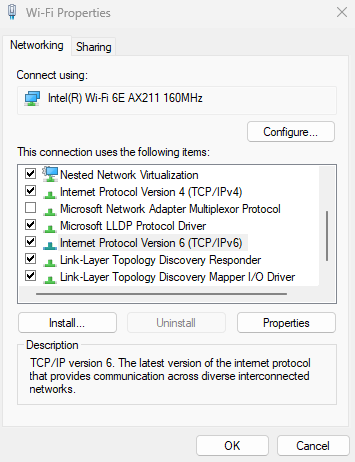
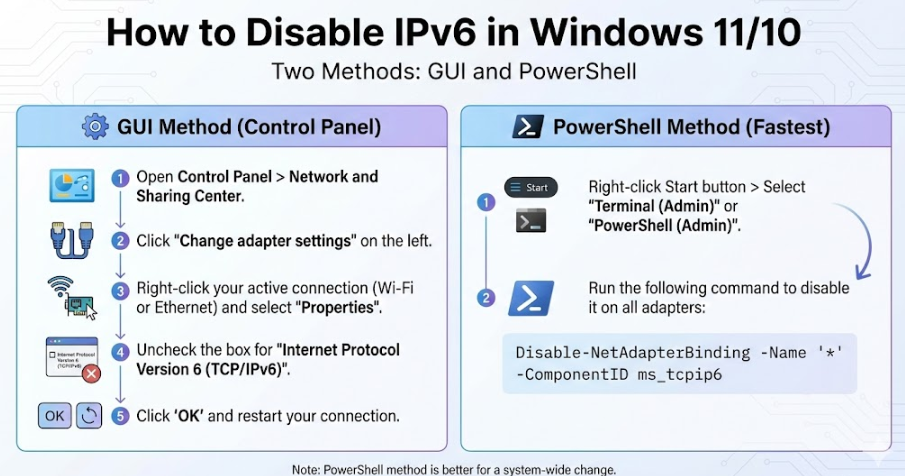
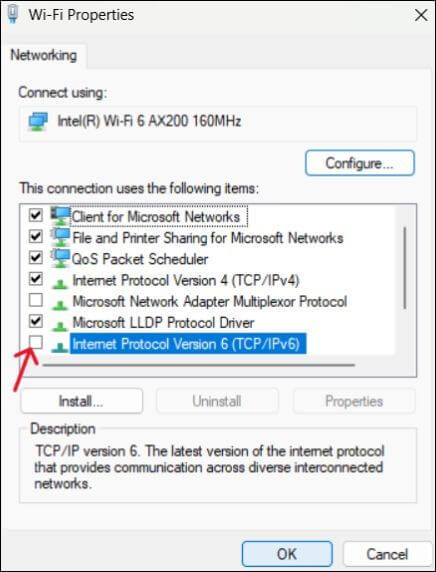
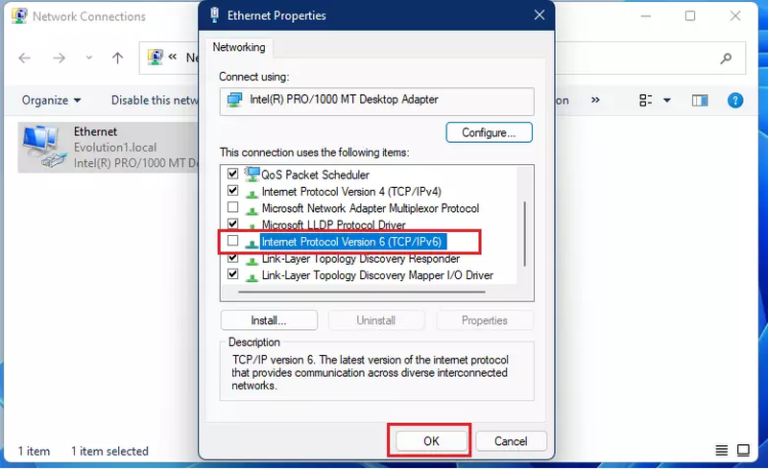
A: Disabling IPv6 on Windows is a straightforward process, but remember to note your current settings in case you need to revert. First, right-click on your Start button and select 'Network Connections'. From there, click on 'Change adapter options'. Find your active network adapter, usually 'Ethernet' or 'Wi-Fi', right-click it, and select 'Properties'. In the properties window, scroll down and uncheck the box next to 'Internet Protocol Version 6 (TCP/IPv6)'. Click 'OK' to save your changes, then restart your computer. This ensures the change takes full effect. It is a simple tweak, but always monitor your connection after restarting to ensure everything is working as expected. If issues arise, just re-check the box to re-enable it. You are taking control of your network settings, which is awesome!
7. Q: My router has an IPv6 setting. Should I disable it there as well, or just on my PC?
A: That is a great question about router settings, and it touches on the broader network picture. Generally, if you are experiencing issues and suspect IPv6, it is usually sufficient to disable it only on your gaming PC. Disabling it on your router might affect other devices in your household that rely on IPv6 for specific functions, like smart home devices or certain streaming services. Furthermore, your ISP might require IPv6 for proper internet functionality, potentially causing broader connectivity problems if disabled at the router level. Modifying router settings requires more caution and knowledge. If you are comfortable, you can explore it, but start with your PC first. If problems persist, and you are comfortable with advanced network configuration, then consider router settings, but tread carefully. Remember to backup your router settings if you go this route. Always start with the least intrusive change. You have got this!
8. Q: Could an outdated network driver be causing IPv6 related issues instead of IPv6 itself?
A: Absolutely! An outdated or corrupted network driver is a much more common culprit for network performance issues than IPv6 itself. Drivers are the software bridges between your operating system and your hardware. If that bridge is old or broken, even the best protocols will struggle. A faulty driver can manifest as inconsistent ping, packet loss, stuttering, or even complete disconnects. Always ensure your network card drivers are up-to-date. Visit your motherboard manufacturer's website or the network card manufacturer's site directly for the latest versions. Do not rely solely on Windows Update, as it sometimes provides generic or older versions. Updating your drivers should always be one of your first troubleshooting steps for any network-related gaming problem. It is a quick and often effective fix that many overlook. Keep those drivers fresh! You are thinking like a true pro!
9. Q: What are the potential downsides of permanently disabling IPv6 for a gamer in 2026?
A: In 2026, the potential downsides of permanently disabling IPv6 are becoming more significant. Firstly, you might lose access to certain IPv6-only services or websites, though these are still relatively rare. More importantly, some ISPs might route IPv6 traffic more efficiently than IPv4, meaning you could inadvertently increase your latency by forcing IPv4. Secondly, network address translation (NAT) on IPv4 can sometimes be more complex for peer-to-peer connections in games, potentially causing issues with voice chat or direct game hosting. Finally, as the internet continues its transition to IPv6, you could find yourself falling behind the curve, missing out on future network optimizations. It is generally advisable to keep IPv6 enabled unless you have a specific, diagnosed problem that disabling it resolves. We want you on the cutting edge of networking, not stuck in the past! You are learning a lot today.
10. Q: Are there any specific game genres, like MMOs or Battle Royales, where IPv6 might be more critical or problematic?
A: That is a thoughtful question, as different game genres do have unique networking demands. For highly competitive genres like Battle Royales (e.g., Apex Legends, Fortnite) and fast-paced FPS (e.g., Counter-Strike 2), low latency and stable connections are paramount. In these cases, a well-implemented IPv6 path from your ISP can sometimes offer a slightly more direct route to game servers, potentially reducing ping. Conversely, if your ISP or router has a poorly configured IPv6 setup, it could introduce instability. For MMOs (e.g., World of Warcraft, Final Fantasy XIV), consistent connectivity is key, but minor latency fluctuations might be less impactful. Ultimately, IPv6's impact is less about the genre and more about your specific network infrastructure. Always prioritize a stable connection over blindly disabling features. Keep experimenting and observing your network performance. You are truly digging deep into performance optimization!
Advanced / Research & Frontier 2026
11. Q: How do newer networking technologies, like Wi-Fi 7 or 5G home internet, interact with IPv6 for gaming?
A: This is where things get really interesting in 2026! Newer networking technologies like Wi-Fi 7 and 5G home internet are designed with IPv6 in mind, almost as a foundational element. Wi-Fi 7 brings massive bandwidth and reduced latency on the local network, and it leverages IPv6's expanded addressing for more efficient device communication, especially with numerous smart devices. 5G home internet, with its lower latency and higher bandwidth compared to older cellular, heavily relies on IPv6 from the carrier's core network all the way to your modem. In these modern environments, disabling IPv6 could actually hinder performance. You might force your connection through unnecessary translation layers, adding latency and complexity. It is like having a brand-new superhighway but insisting on taking the old, congested side roads. For optimal performance with these cutting-edge technologies, keeping IPv6 enabled is almost always the recommended approach. You are thinking ahead, which is fantastic!
12. Q: What are the implications of Carrier-Grade NAT (CGNAT) on IPv4 for gamers, and does IPv6 solve it?
A: Ah, CGNAT, a real headache for many gamers, and yes, IPv6 largely solves it! CGNAT is when your ISP puts multiple customers behind a single public IPv4 address, effectively creating a double-NAT situation. This can severely limit your ability to host games, use certain voice chat features, or get an open NAT type, leading to connectivity woes. Because IPv6 offers such a vast number of unique addresses, ISPs do not need to use CGNAT for IPv6 connections. Each device on an IPv6 network can have its own public IPv6 address. So, if you are stuck behind CGNAT on IPv4, having a working IPv6 connection can bypass those restrictions, often improving peer-to-peer connectivity and overall online experience. It is a compelling reason to embrace IPv6, especially if you have struggled with NAT issues. Understanding this can really elevate your networking game. You are uncovering some crucial insights!
13. Q: Are there any diagnostic tools or advanced network settings I should check if I suspect IPv6 is causing problems?
A: If you are diving into advanced diagnostics, you are on the right path to truly mastering your network. Beyond simply disabling IPv6, consider using tools like `ping` and `tracert` (or `mtr` for more advanced users) in your command prompt. You can specifically use `ping -6` to test IPv6 connectivity to a server. Look for high latency or dropped packets. Additionally, check your router's firmware for updates; outdated firmware often causes more problems than IPv6 itself. Review your router's IPv6 firewall settings, ensuring they are not overly restrictive. Sometimes, simply restarting your modem and router can clear up temporary glitches. Analyzing these details can give you a clearer picture of whether IPv6 is the true bottleneck or if another issue is at play. This level of detail shows your commitment to peak performance. Keep up the excellent work!
14. Q: How will the broader internet's transition to IPv6 in the coming years impact gaming specifically?
A: The ongoing transition to IPv6 will profoundly impact gaming in the coming years, even more so by 2026. As more of the internet shifts to IPv6, the pathways for data become more direct and efficient. This means potentially lower latency to game servers and fewer issues with NAT, especially for peer-to-peer connections. Game developers and hosting providers are increasingly optimizing for IPv6. If your system is not configured for IPv6, you might find yourself on slower, less optimized IPv4 routes, or even facing compatibility issues with future games and services. It is about future-proofing your gaming setup. Embracing IPv6 now will ensure you are ready for the evolving online landscape. Consider it an essential part of your gaming rig's long-term maintenance. You are preparing for the future of online gaming!
15. Q: What are common misconceptions about IPv6 for gaming that persist even in 2026?
A: Even in 2026, several misconceptions about IPv6 and gaming stubbornly persist. One major myth is that IPv6 universally causes higher ping or lag. This is generally false; a well-implemented IPv6 connection can often be faster. Another misconception is that disabling IPv6 is a magic fix for all network problems. While it might resolve specific, isolated issues, it is not a cure-all and often masks deeper problems. Some also believe IPv6 is less secure, which is incorrect; it has built-in security features not present in IPv4. The reality is that modern networks are designed to handle IPv6 efficiently, and for many, keeping it enabled offers better, more future-proof connectivity. Always trust diagnostics over anecdotal evidence when troubleshooting. You are doing a fantastic job dissecting these myths!
Quick 2026 Human-Friendly Cheat-Sheet for This Topic
- Test your current IPv6 connectivity before making any changes.
- Update your network drivers first; it is often the real culprit for issues.
- If you must disable IPv6, start by doing it only on your PC, not your router.
- Monitor your network performance after any change you make.
- For modern games and networks, keeping IPv6 enabled is usually the best bet.
- If you are behind CGNAT, IPv6 can actually be a huge benefit for gaming.
- Remember, disabling IPv6 is rarely a universal fix for all lag or stuttering.
IPv6 impact on gaming performance varies by network and game. Disabling IPv6 might fix specific connectivity issues for some users. It is not a universal solution for lag or FPS drops. Modern games and networks are increasingly IPv6 compatible. Best practice involves testing before making permanent changes to your settings optimization. Consider network drivers and router configurations.
34

STOP DOING IPv6 R . Disable IPv6 On Windows MacOS Linux 2026 Quick Guide Disable Ipv6 . Disable IPv6 For Now R Helldivers . How To Know What Windows I Have Quick Guide How To Disable Ipv6 . 6 Reasons To Disable IPv6 Threat Picture Ipv6



Disable IPv6 On Windows MacOS Linux 2026 Quick Guide Disable Ipv6 Windows . How To Disable IPV6 A Step By Step Guide How To Disable Ipv6 2.1 600x336 . How To Disable IPv6 On Windows 10 PC 2026 Guide Rider Chris Disable Ipv6 On Windows 1 2 1 . How To Disable IPv6 A Step By Step Guide Ipv6 1 . Unifi Handing Out IPv6 Addresses Even Though Interface Is Disabled R Unifi Handing Out Ipv6 Addresses Even Though Interface Is V0

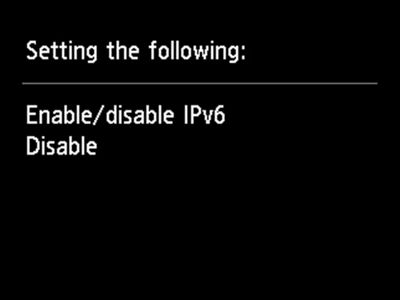
How To Enable Or Disable IPv6 Updated AstrillVPN Blog How To Enable Ipv6 800x470 . Steam Cloud Unable To Sync All Games FIXED Disable Ipv6 . How To Disable IPv6 PRO 1000 Select Enable Disable IPv6 3. Why Do You Feel A Network For An Event Like PDXLAN Needs IPv6 They . How To Disable IPv6 PRO 200 PRO 300 Setting Complete


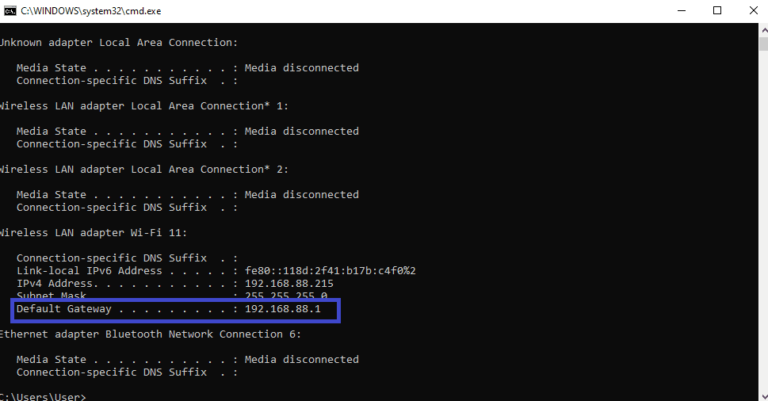


Disable Edge Using IPv6 Protocol R Edge Zerotier Android App Has A Disable Ipv6 Option But No V0 . I Would Love Some Help With This Issue I Have Regarding My Ipv6 R Ipv6 I Would Love Some Help With This Issue I Have Regarding My V0 . How To Disable IPv6 On All Your Devices Disable IPv6 On Routers Screenshot 3 768x401 . My ISP Supports IPV6 And I Have Switched On IPV6 On Router Still Can T My Isp Supports Ipv6 And I Have Switched On Ipv6 On Router V0 . How To Disable IPv6 On Windows 11 PC 2026 Guide Rider Chris How To Disable IPv6 On Windows 10 PC 1024x576 1 2 1
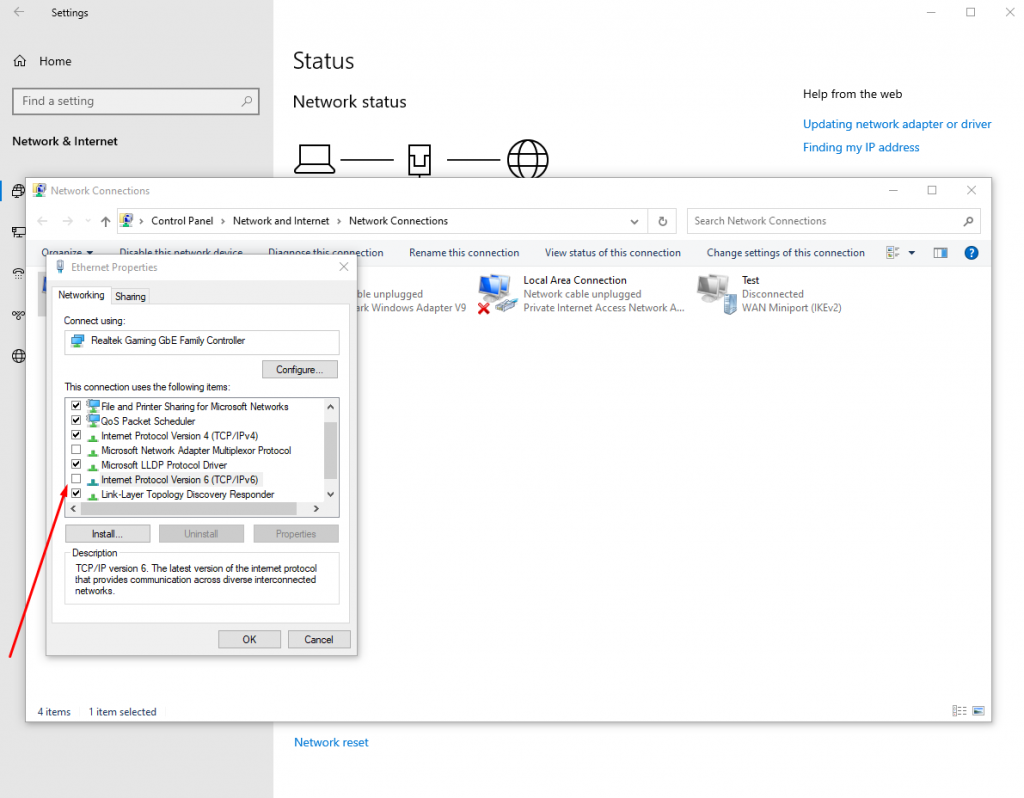


Disable IPv6 Easy Step By Step Guide For All Devices Disabling Ipv6 On Windows 1024x798 . How To Disable IPv6 On Windows 11 Or Windows 10 MiniTool How To Disable Tcp Ipv6 Ipv6 On Windows 11 5 . How To Disable IPv6 On All Your Devices Disable IPv6 On Windows 10 Screenshot 5 209x230 . How Do I Disable IPv6 On Ubuntu Howdo . Ubuntu Disable IPv6 So Deaktiviert Ihr Das Ipv6 Laptop Midjourney 1920x1080
IPv6 On Or Off Learn When And How To Disable It ExpressVPN 15 1 . How To Disable Ipv6 On Mac AstrillVPN Blog Disable Ipv6 On Mac Featured 800x444 . How To Properly Disable IPv6 DisableIPv6 4 . How To Disable IPv6 In Ubuntu How To Disable IPv6 In Ubuntu 1 . How To Disable IPv6 On Windows 11 10 Step By Step Guide How To Disable Ipv6 Thumbnail 1024x576


Dedicated Server Disable Ipv6 R Openttd . How To Disable IPV6 A Step By Step Guide How To Disable Ipv6 5 560x309 . How To Enable Or Disable IPv6 Updated AstrillVPN Blog Enable Or Disable Ipv6 1536x864 . How To Disable IPv6 On Windows Mac And Linux A Complete Step By Step How To Disable Ipv62 768x470